
Hajj and Umrah
The Ministry of Health of Kingdom of Saudi Arabia issue their requirements and recommendations for Hajj and Umrah annually
Updated requirements and recommendations for Hajj 1447H (2026) have been published.
Key messages
-
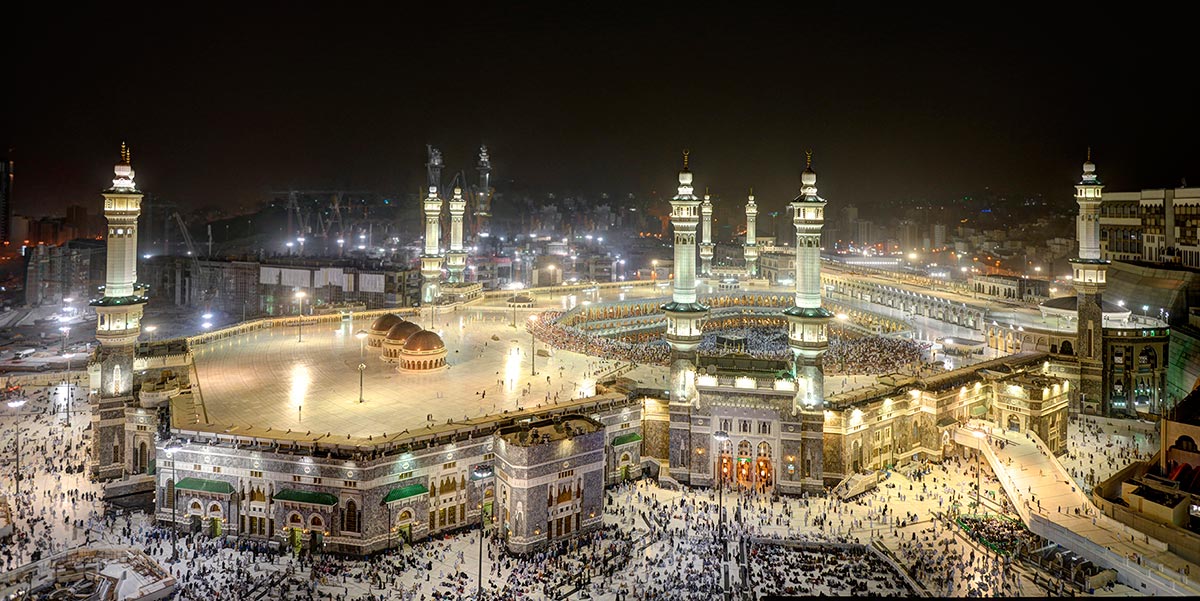
Hajj, the annual pilgrimage to Makkah (Mecca), in the Kingdom of Saudi Arabia (KSA) is one of the largest gatherings of its kind in the world.
-
Performing the rituals of the Hajj and Umrah is demanding and often involves walking long distances in hot weather. Pilgrims must ensure that they are as physically fit as possible.
-
Pilgrims are usually required to have vaccinations prior to attending Hajj/Umrah; these can change yearly.
-
Requirements for Hajj 1447H (2026) have been published by the Ministry of Health, Kingdom of Saudi Arabia [1, 2].
-
Requirements for Umrah 1447H (2026) are expected to be published by the Ministry of Health, Kingdom of Saudi Arabia in the near future.
-
Pilgrims from the United Kingdom (UK) should be advised of the importance of checking the UK Foreign, Commonwealth & Development Office (FCDO) foreign travel advice for information on safety and security at their destination.
-
Pilgrims should be advised to practise good hand hygiene and to avoid activities that promote exchange of respiratory secretions, such as sharing drinks and eating utensils.
-
Mass gatherings increase risk of respiratory infections, including flu (influenza) and COVID-19. All individuals should follow current UK recommendations to reduce their risk of respiratory infections. In addition, pilgrims should consult the Ministry of Health, KSA for Hajj and Umrah vaccination requirements.
Overview
Approximately two million Muslims from around the world gather in Makkah for Hajj each year. All adult, able bodied Muslims are required to undertake Hajj at least once in their lifetime, if they can afford to [3].
Umrah is a shorter, non-compulsory pilgrimage for Muslims, which is part of the Hajj ritual but can also be undertaken independently at any time.
Due to the large crowds, mass gatherings such as Hajj and Umrah are associated with unique health risks [3].
Each year, the Ministry of Health (MoH) of the Kingdom of Saudi Arabia (KSA) issues the requirements and recommendations for entry visas relevant to pilgrims and seasonal workers who intend to visit KSA during forthcoming Hajj and Umrah season.
Hajj, the annual pilgrimage to Makkah (Mecca) in KSA occurs between the 8th and 12th day of the twelfth month of the Islamic calendar and is one of the largest mass gatherings in the world. Hajj 1447H (2026) is expected to start in late May 2026 when temperatures may be high. Care will be needed to avoid heat-related illness.
Details of the requirements and recommendations for Umrah 1447H (2026), including required and recommended vaccinations and general health advice are expected to be available from the KSA authorities soon.
UK residents and British nationals resident in Saudi Arabia can find information on how to register to apply to perform Hajj and Umrah - 1447H (2026) through the official Ministry of Hajj and Umrah Nusuk Hajj platform. This is the only official method of applying to perform Hajj.
A comprehensive guide for applying to perform Umrah, including information for pilgrims applying from outside of Saudi Arabia, has been produced by the KSA Ministry of Hajj and Umrah. The Council of British Hajjis also provide regular Umrah updates.
The Foreign, Commonwealth and Development Office (FCDO) official social media channels @ukinsaudiarabia provides information and guidance [4]. Pilgrims and other travellers can also receive FCDO email alerts about Saudi Arabia by signing up via a link on the FCDO Saudi Arabia country advice page.
Health advice can be found on our Saudi Arabia Country Information page. This information should be tailored to individual pilgrims and seasonal workers.
Pre-pilgrimage preparation
Pilgrims should seek pre-travel health advice from their health care provider or travel clinic ideally at least four to six weeks prior to travel. Information on health risks for destinations throughout the world can be found in our Country Information pages.
Performing the rituals of Hajj is demanding and involves walking great distances usually in hot weather. MoH KSA advises that pilgrims consider their physical ability and health conditions before considering attending Hajj and Umrah. Pilgrims should ensure that they are physically fit before travelling, and those with pre-existing medical conditions should discuss the suitability of travel with their doctor. In some situations, deferment of Hajj should be considered when the risks to the pilgrim are assessed to be high.
MoH KSA have provided a list of conditions that would restrict a pilgrim from performing Hajj rituals:
- advanced kidney failure requiring dialysis
- advanced heart failure, with symptoms at rest or with minimal physical exertion
- chronic lung diseases that require intermittent or continuous use of oxygen
- advanced cirrhosis accompanied by signs of liver failure
- severe neurological and psychological diseases that impair cognition or are accompanied by severe physical disabilities
- advanced age accompanied by dementia
- the last three months of pregnancy, and high-risk pregnancy at all stages of pregnancy
- active infectious diseases that pose a public health risk in crowded settings, such as open pulmonary tuberculosis (TB) and haemorrhagic fevers
- people with active cancer receiving chemotherapy or other treatment that affects the immune system [2]
Those with long-term medical conditions on prescribed medications should ensure they have enough supplies to cover their time abroad, with extra supplies in case of delays. They are also advised to carry copies of their prescriptions and bring documentation about their health conditions [1, 2] – see our medicines and travel factsheet for more advice.
Pilgrims should ensure they are up to date with all routine immunisations and any vaccines required or appropriate for their trip (see below).
Mass gatherings can increase risk of respiratory infections. All individuals should follow current UK recommendations to reduce their risk of respiratory infections, including COVID-19, and to avoid passing them on to others.
Travellers at increased risk of severe COVID-19 should assess their individual circumstances and consider if postponing travel is appropriate, see also Vaccination section below.
Women who wish to delay having periods during the Hajj should discuss this with their healthcare provider well in advance of travel.
Pilgrims should identify in-country healthcare resources before their trip and ensure they have adequate travel health insurance. Sharia compliant health insurance is available.
Pilgrims should also pack a first aid kit to help them manage common issues such as cuts and grazes, headaches and travellers' diarrhoea.
Vaccination
Pilgrims should be up to date with routine vaccination courses and boosters as recommended in the UK. These vaccinations include measles-mumps-rubella (MMR)-containing vaccine and diphtheria-tetanus-polio vaccines [5].
Information on required and recommended vaccinations for pilgrims visiting KSA can also be found on our Country Information page.
Required vaccinations
Meningococcal disease
All travellers arriving for Hajj or for seasonal work in Hajj zones must have proof of vaccination with a quadrivalent (ACWY) meningococcal vaccine received at least 10 days prior to the planned arrival to Hajj and Umrah areas [1, 2]. Personal communication from the National Authority in Saudi Arabia state this requirement applies to individuals aged 1 year or older.
This vaccine is also recommended for all travellers to Hajj for personal protection against groups A, C, W and Y meningococcal disease.
Vaccination with ONE of the following vaccines is acceptable:
- Quadrivalent (ACWY-135) polysaccharide vaccine within the last three years (this vaccine has not been available in the UK for over three years)
- Quadrivalent (ACWY-135) conjugate vaccine within the last five years
If vaccine type is not indicated on the certificate, it will be considered valid for three years from the date of vaccination [1, 2].
Details of the vaccine name and type (i.e. conjugate vaccine) should be recorded in a patient held vaccine record showing the individual's full name. It is advisable that the proof of vaccination record is issued by the individual's doctor, nurse or pharmacist and should accurately reflect the details of the vaccine administered and be authenticated with the healthcare provider's official stamp.
Patient vaccination record cards and/or blank ACWY certificates may be available from the vaccine provider, or these details could be written on headed paper from the clinic. Alternatively, if an individual has an International Certificate of Vaccination or Prophylaxis (ICVP) booklet, meningococcal ACWY vaccine can be recorded in the 'Other Vaccinations' pages.
MoH KSA state they may administer prophylactic antibiotics to some travellers arriving from countries with or at risk of frequent meningitis epidemics or outbreaks [2].
Large outbreaks of meningococcal disease, including meningitis and septicaemia, have occurred during previous Hajj and Umrah seasons. Spread to family members and communities linked to returned pilgrims [6, 7] has been reported. This includes cases of invasive meningococcal disease in the UK in 2024 and 2025 [6].
In addition to vaccination, pilgrims should be advised to practice good hand hygiene and to avoid activities that promote exchange of respiratory secretions, such as sharing drinks and eating utensils [8, 9].
The meningococcal ACWY vaccines do not protect against all causes of meningitis and septicaemia; any pilgrim who becomes unwell, after returning from the Hajj or Umrah should contact their GP, NHS 111 or local hospital.
COVID-19
All prospective Hajj pilgrims, aged 12 years or older, should follow KSA guidance regarding COVID-19 vaccines [1]. See Nusuk Hajj Health Guidelines for more information.
Only a small number of individuals are eligible for COVID-19 vaccination as part of the NHS programme in the UK. The UK Health Security Agency (UKHSA) 'Green Book' Immunisation against infectious disease, COVID-19 chapter gives detailed advice about clinical risk groups and eligibility for COVID-19 vaccination.
Those not in a clinical risk group or not eligible for COVID-19 vaccine may be able to access COVID-19 vaccination from a private clinic or pharmacy service.
Further information about the UK COVID-19 vaccination programme is available on the NHS website.
Poliomyelitis (polio)
Hajj pilgrims and seasonal workers arriving from countries where wild or vaccine-derived poliovirus* is still circulating, must possess a valid vaccination certificate showing they have received at least one dose of either bivalent oral polio vaccine (Bopv) or inactivated polio vaccine (IPV). This vaccine should have been administered between four weeks and 12 months before entry to KSA [1].
A polio certificate requirement will only apply to UK Hajj pilgrims if they are travelling to KSA via a country reporting wild or circulating vaccine-derived poliovirus, and not if they are travelling directly to KSA from the UK.
*Please note: the status of countries is based on the reporting of wild and circulating vaccine derived polio virus and may change following the WHO Emergency Committee for polio reports. See latest updates of the WHO Statement of the meeting of the Polio IHR Emergency Committee.
Yellow fever
All travellers above nine months of age visiting KSA for Hajj and who are arriving from countries or areas at risk for transmission of yellow fever (YF) must show a valid yellow fever vaccination certificate. The certificate becomes valid ten days after vaccination and remains valid for life [1].
There is no risk of YF in the UK. Therefore, this YF certificate requirement will only apply to UK pilgrims if they are travelling to KSA via a YF risk country and not if they are travelling directly to KSA from the UK.
Other vaccinations
General vaccination advice for KSA can be found on our Country Information page. The following vaccine-preventable diseases have particular relevance to Hajj and Umrah pilgrims.
Hepatitis B
Hepatitis B virus is found in blood and other body fluids and can cause significant liver damage. It is spread either by puncturing of the skin with contaminated medical/dental equipment, including needles or previously used razor blades, and by sexual contact.
One of the Hajj rites for men is head shaving. The KSA authorities provide licensed barbers with a new blade for each pilgrim. However, unlicensed barbers may not conform to this [10]. Pilgrims should consider receiving hepatitis B vaccine before travel.
Pilgrims should avoid shaving with a previously used blade, as this could cause transmission of hepatitis B and other blood-borne infections, including hepatitis C or HIV, for which there are no vaccines. Pilgrims can consider taking a disposable razor for personal use during this rite.
Rabies
There is a risk of rabies in KSA. Pilgrims should be advised of the importance of avoiding contact with wild or domestic animals and to seek urgent emergency medical treatment if any potential exposure (animal bite, lick or scratch) occurs. A rabies information leaflet is available for travellers.
Pre-exposure vaccination can be considered. However, rabies vaccination prior to travel does not eliminate the need for post-exposure medical evaluation.
Influenza (flu)
Influenza (flu) spreads easily between people when an infected person coughs, sneezes or talks. Flu virus can pass onto anyone close by and lives on hands and surfaces. Individuals can catch flu by breathing in the virus or by touching a surface or object contaminated with the virus. Flu spreads easily in crowds. Pilgrims may be exposed outside the typical UK flu season, if they are in contact with people from countries with flu outbreaks [11].
Certain groups are at particular risk of complications from flu. KSA recommends that travellers arriving for Hajj or for seasonal work in Hajj areas have the flu vaccine before they travel [1, 2].
In the UK, flu vaccine is currently only available for some risk groups, as part of the national programme, see UK Health Security Agency (UKHSA) Immunisation against infectious disease, 'Green Book' Influenza chapter for further details. Eligible pilgrims should receive flu vaccine annually from their usual healthcare provider [12].
Flu vaccine for those not in clinical risk groups needs to be accessed from a private clinic or pharmacy service. Flu vaccine may not be available in the UK late spring or summer months. Pilgrims planning to undertake Hajj the following year should get vaccinated during the UK flu season, as this may still provide some protection.
A viral lung infection (known as Hajj cough) experienced by many pilgrims at the Hajj, can range from a mild inconvenience to a severe illness, and can interfere with performing the rites. Advice about influenza prevention can be found in our factsheet on influenza.
Other health risks
Middle East respiratory syndrome coronavirus (MERS-CoV)
Middle East respiratory syndrome coronavirus (MERS-CoV) can cause severe illness and death [13]. It was first identified in KSA in 2012; most cases to date have occurred in the Arabian Peninsula and in KSA [14-16].
There have been no reported increases in travel-related MERS-CoV cases for previous Hajj pilgrimages. However, cases of MERS-CoV have been imported to countries outside of Saudi Arabia following return from Umrah. UKHSA closely monitors developments in the Middle East, and anywhere new cases are reported, to assess whether UKHSA recommendations need to change (see below) [16].
UKHSA recommends all travellers to:
- practice good general hygiene measures, such as always washing hands with soap and water, especially before and after visiting farms, barns or market areas
- avoid contact with camels as much as possible
- avoid consumption of any type of raw milk or raw milk products and any food that may be contaminated with animal secretions, particularly from camels
- avoid unpeeled fruit and vegetables unless cleaned and/or thoroughly cooked
- follow advice of local health authorities regarding health-related travel advisories
- seek medical advice locally before travelling back to the UK if symptoms develop (e.g. fever, cough or increasing breathlessness) within 14 days of travel so that appropriate clinical assessment, infection control measures and testing can be undertaken
People who are acutely ill with an infectious disease are advised not to travel but to seek health advice immediately [16]. Should British pilgrims become unwell within 14 days of their return, they should seek advice by calling their GP or NHS 111 and mention which countries they have visited, so that appropriate measures and testing can be undertaken.
UKHSA provides further guidance for travellers visiting and returning from the Middle East, alongside more detailed information for health professionals.
Travellers' diarrhoea
Travellers' diarrhoea is spread by eating and drinking contaminated food or water. Dehydration can occur with diarrhoea and is of particular risk in hot weather. The effect of travellers' diarrhoea is greatest for babies, the elderly and those with chronic medical conditions, who all have a greater risk of dehydration.
All pilgrims are advised to take personal, food and water hygiene precautions:
- wash hands before and after eating and after going to the toilet
- thoroughly clean and wash fresh vegetables and fruit
- cook food thoroughly and store at safe temperatures
- keep raw and cooked foods separated
Pilgrims should also pack oral rehydration solutions/powders in their first aid kit. Information on other treatment options can be found in our travellers' diarrhoea factsheet.
Vector-borne diseases
Malaria is not found in Medina or Makkah [Mecca] or in the cities of Jeddah, Riyadh and Ta'if or areas of Asir province above 2,000m. However, malaria is a risk in the south-western provinces of Saudi Arabia (including Asir province below 2,000m). Pilgrims planning further travel before or after Hajj or Umrah to malaria risk areas should seek advice about malaria prevention.
Other infections spread by biting insects or ticks are listed on the Country Information page. Pilgrims are advised to avoid insect and mosquito bites day and night. This includes wearing protective, light-coloured clothes using physical barriers such as window screens and closed doors in hotels and regularly applying insect repellent to skin and clothes. This helps protect against mosquito spread diseases, such as dengue.
Accidents and injuries
Minor injuries are relatively common, particularly to the feet. More serious injuries can occur because of road traffic accidents or stampedes, as pilgrims carry out the stoning rite or other mass activities.
Pilgrims are advised to avoid peak times. Elderly and infirm people, who have decided to make their pilgrimage, may wish to consider appointing a proxy for the performance of some rites.
All pilgrims to Hajj and Umrah should have adequate health insurance.
Environmental hazards (cold, heat and sun)
Daytime temperatures in KSA, even in the winter, can reach over 30°C. Associated risks include sunburn, dehydration, heat exhaustion and heat stroke. KSA recommends all pilgrims, especially older individuals, to avoid direct sun exposure while performing rituals and to drink enough fluids. Medicines with the potential to exacerbate dehydration (e.g. diuretics) or that interfere with heat exchange may need adjustment by treating physicians [1, 2].
Health guidelines from KSA provide advice on heat related illness and the areas where heat related illness are more common [17].
If possible, travel to Makkah (Mecca) before the start of Hajj should be considered, to allow a period of heat acclimatisation. Pilgrims should drink plenty of clean water (preferably bottled or boiled and cooled) to avoid dehydration.
Sun protection – high factor (SPF) cream of 30 or above, with four -or five-star UVA protection, should be applied liberally to exposed skin every two to three hours. Male pilgrims are not allowed to cover their heads, but an umbrella will provide shade from the sun.
Desert sand can reach very high temperatures; good quality footwear should be worn to avoid burning the feet. Footwear must be removed during times of prayer; to avoid losing them pilgrims are advised to carry their shoes in a bag.
In winter, the weather can be very cold overnight. If staying in basic accommodation, pilgrims should ensure they take appropriate bedding with them such as blankets and sleeping bags.
Food and water advice
The authorities in KSA do not permit Hajj and Umrah travellers to bring food into KSA, except in properly canned or sealed containers [18]. All pilgrims are advised to take personal, food and water hygiene precautions.
Illness abroad or on return from Hajj or Umrah
During travel, pilgrims with fever, diarrhoea with blood or any other worrying symptoms, should seek prompt medical care in KSA. Pilgrims who need medical advice should contact their insurance company and keep receipts, so they can claim back costs if appropriate.
Returned pilgrims who become ill during or in the weeks/months following their trip, particularly with fever, flu-like symptoms, rash and/or diarrhoea, should get medical help by calling NHS 111 or the GP centre by telephone. Travellers should tell their doctor about their travel abroad, and mention if they have been in contact with camels, eaten or drunk camel products, been in contact with or cared for anyone with respiratory symptoms, visited or been admitted to or worked in a healthcare facility.
Resources
- Council of British Hajjis
- Foreign, Commonwealth & Development Office (FCDO): Saudi Arabia. Pilgrimage
- Important reminder about routine United Kingdom (UK) vaccines
- Insect and tick bite avoidance
- Invasive meningococcal disease reported in Umrah pilgrims in 2025
- Kingdom of Saudi Arabia: Ministry of Hajj
- Kingdom of Saudi Arabia Ministry of Health: Hajj health awareness kit
- Muslim Council of Britain – Hajj
- Nusuk Hajj platform
- Nusuk Umrah platform
- UK Health Security Agency: Algorithm on public health investigation and management of possible cases of MERS-CoV
- UK Health Security Agency: Returning from the Middle East – Important information for travellers
- Visit Saudi: Makkah
References
-
Nusuk Hajj (official Kingdom of Saudi Arabia website). Hajj Health Guidelines. 2026. [Accessed 23 April 2026]
-
Ministry of Health, Kingdom of Saudi Arabia. Health requirements and Recommendations for Travelers to Saudi Arabia for Hajj – 1447H (2026).
-
Aldossari M, Aljoudi A, Celantano D. Health issues at the Hajj pilgrimage: a literature review. [Accessed 23 April 2026]
-
Foreign, Commonwealth and Development Office: Foreign travel advice. Saudi Arabia. [Accessed 23 April 2026]
-
UK Health Security Agency. Complete routine immunisation schedule. Last updated 3 March 2026. [Accessed 23 April 2026]
-
Campbell H, Lucidarme J, Clark S et al. Increase in serogroup W invasive meningococcal disease in England associated with pilgrimage to Saudi Arabia, January 2024 to June 2025. Euro Surveill. 2025;30(31):pii=250050. [Accessed 23 April 2026]
-
Yezli S, Bin Saeed A, Assiri A et al. Prevention of meningococcal disease during the Hajj and Umrah mass gatherings: past and current measures and future prospects. Int J Infect Dis. 2016 Jun;47:71-8. [Accessed 23 April 2026]
-
Government of Canada. CATMAT statement: meningococcal disease and international travel. Volume 41-5, May 7, 2015: Visiting friends and relatives. [Accessed 23 April 2026]
-
World Health Organization. Meningitis. 1 April 2025. [Accessed 23 April 2026]
-
European Centre for Disease Prevention and Control. Public health risks related to communicable diseases during the Hajj 2019, Saudi Arabia, 9-14 August 2019 1 July 2019. [Accessed 23 April 2026]
-
Steffen R, Chen L, Leggat P. Travel vaccine priorities determined by incidence and impact. J. Trav. Med. 2023, 1-14. [Accessed 23 April 2026]
-
UK Health Security Agency. Influenza, Ch. 19. Immunisation against infectious disease. Last updated 29 May 2025. [Accessed 23 April 2026]
-
World Health Organization. Middle East Respiratory Syndrome Coronavirus (MERS-CoV). 11 December 2025. [Accessed 23 April 2026]
-
World Health Organization. Middle East respiratory syndrome: global summary and assessment of risk. 16 November 2022. [Accessed 23 April 2026]
-
World Health Organization. Disease Outbreak News. Middle East respiratory syndrome coronavirus – Global update. 24 December 2025. [Accessed 23 April 2026]
-
UK Health Security Agency. Risk Assessment of Middle East Respiratory Syndrome Coronavirus (MERS-CoV). Last updated 14 June 2024. [Accessed 23 April 2026]
-
Ministry of Hajj and Umrah. Kingdom of Saudi Arabia. Information About Hajj. Things to remember. When suffering from sunstroke. Last updated 2026. [Accessed 23 April 2026]
-
Nusuk Hajj (official Kingdom of Saudi Arabia website). Hajj Health Guidelines. Food Poisoning. 2026. [Accessed 23 April 2026]
Explore more
Children
Careful pre-trip preparation can reduce the travel-associated health risks to children and infants
Updated: 13 October 2026Sickle cell disease and thalassaemia
Information on pre-travel preparation, tips to stay health abroad and links to useful resources for travellers with sickle cell disease and thalassaemia
Updated: 11 March 2024Infectious diseases
Chikungunya
This viral infection occurs in some tropical and subtropical regions of the world, predominantly transmitted through the bite of an infected Aedes mosquito
Updated: 14 October 2026Dengue
Dengue is an infection caused by the dengue virus of which there are four different subtypes. The disease is transmitted by mosquitoes
Updated: 16 September 2026Viral haemorrhagic fever
Viral haemorrhagic fevers (VHFs), with the exception of dengue, are very rare in UK travellers. They can cause a range of symptoms from a relatively mild illness to severe, life-threatening disease
Updated: 24 August 2026Preparing for healthy travel
Travel Insurance
Travellers must declare medical conditions when taking out travel insurance to ensure they are suitably covered
Updated: 30 September 2026Sun protection
Enjoy the sun safely - limit your sun exposure, protect your skin and eyes to avoid damage from the sun's ultra violet rays
Updated: 18 August 2026Medicines and travel
Carrying medication abroad and advice regarding falsified medication
Updated: 24 October 2025Special risk travel/traveller
Children
Careful pre-trip preparation can reduce the travel-associated health risks to children and infants
Updated: 13 October 2026Travelling with additional needs and/or disability
This factsheet provides an overview and advice on the points to consider when travelling with additional needs and/or disability
Updated: 12 September 2025Areas of humanitarian crisis
For humanitarian aid workers and those advising those travelling to areas of conflict or disaster
Updated: 07 April 2025Clinic resources
Vaccines and medicines: availability, supply, shortages and use of unlicensed medicines
Information for health professionals on availability of vaccines and use of unlicensed products
Updated: 13 October 2026'Getting to Grips...' online events and video guides
Online guides and webinar sessions for health professionals interested in travel health
Updated: 16 September 2026The green book travel chapters
UK Health Security Agency Immunisation against infectious disease, the 'green book' travel chapter updates
Updated: 11 September 2026