Cruises
Health advice for travellers planning a cruise
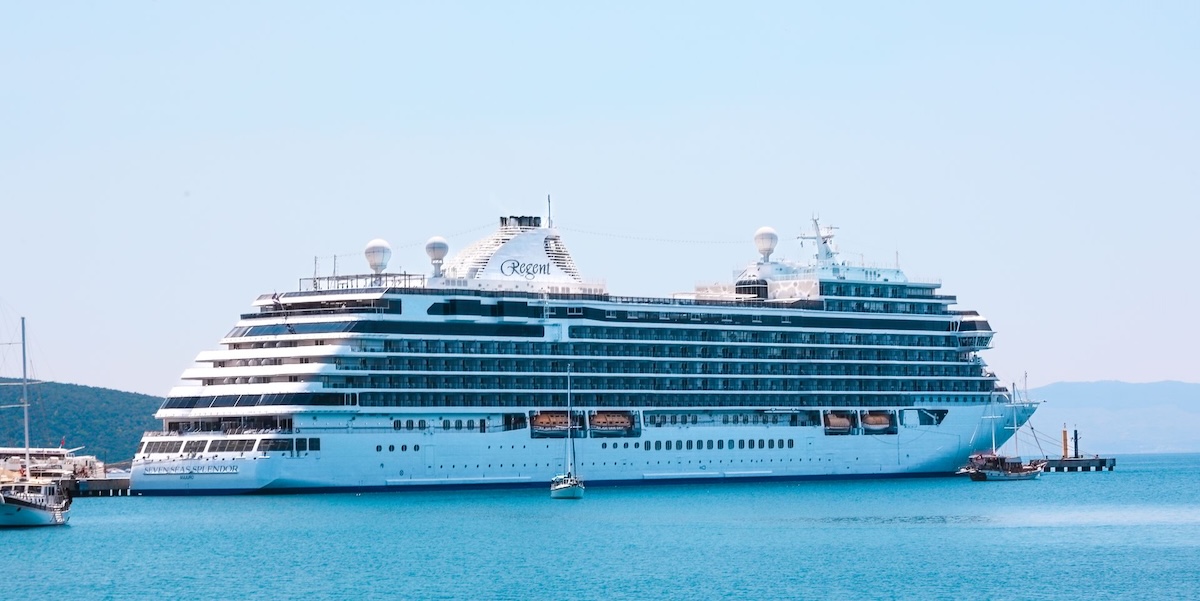
Cruises are an increasingly popular holiday choice for people of all ages, bringing together travellers from across the world, in crowded, enclosed environments.
Cruise ships sometimes report outbreaks of infections like flu, other respiratory infections and food/water-borne illnesses [1-4]. Very occasionally, isolated outbreaks of rare infections have also occurred [5].
While most passengers have a safe and enjoyable holiday, pre-trip preparation helps reduce risk of illness and other health problems.
Advice for travellers
Before you travel
Check our country information pages for up-to-date travel vaccine recommendations, advice on insect-spread infections and general health guidance for all the destinations on your cruise.
Respiratory infections
Outbreaks of respiratory infections, including coughs, colds, COVID-19, flu, respiratory syncytial virus (RSV) and other viruses, are a risk at any time of year for both cruise ship passengers and crew [1-3]. Consider having a flu vaccine, particularly if you are in a risk group.
Vaccines
See your GP, practice nurse, pharmacist or travel clinic (ideally four to six weeks before you go) to check all your travel and routine UK vaccines, including diphtheria, tetanus and polio vaccine and MMR/MMRV, are in date.
If your cruise is visiting areas with a risk of yellow fever, you need to arrange an appointment at a specialist yellow fever vaccination centre (YFVC). At this appointment, you will need to provide clear information about your full cruise itinerary, your medical history (including any medicines) and records of any previous travel vaccines.
You can e-mail NaTHNaC with vaccination certificate enquiries.
Malaria
If your cruise is stopping overnight in areas with malaria or you are ashore overnight in risk regions, tablets to prevent malaria (antimalarials) may be recommended [6]. Take any recommended antimalarials as directed, finish the course, be scrupulous about insect bite avoidance and get urgent medical help for any symptoms.
Medical care
Access to healthcare may be limited on board. Research the medical facilities on the ship before booking your holiday.
Comprehensive travel insurance is essential for all cruise passengers. A full declaration of health conditions, all destinations, equipment, and planned activities should be made. Make sure that you are aware of what is and what is not included in your policy [2].
Pack enough supplies of all regular medications to last for the whole trip, with extra for possible travel delays. Advise the cruise company in plenty of time if you need any additional assistance or equipment.
Seasickness is a common complaint; your pharmacist can advise you about anti-sickness medication before travel.
While you are away
Preventing and managing infections
Coughs, colds and respiratory infections, including flu, can spread quickly on cruises [1-3]. Follow good personal hygiene rules and avoid close contact with other passengers if they are unwell.
Outbreaks of stomach upsets (gastrointestinal infections) and diarrhoea, including norovirus, have also been reported on cruise ships [2-4]. Help to reduce your risk of gastrointestinal infections and travellers' diarrhoea by carefully following food, water, and personal hygiene precautions.
Report any illnesses, particularly a fever or vomiting and diarrhoea, promptly to the ship's medical team and follow their recommendations [2].
Be aware that if your ship is affected by an outbreak of an infectious respiratory or gastrointestinal illness you may be required to isolate on board or at a designated facility.
Accidents
Falls, slips and trips are a hazard both on the ship and ashore and can cause serious injury. Beware of wet, slippery decks and take extra care in rough and stormy weather.
Try to avoid excessive alcohol intake.
Insect bites
Insect bites cause irritation and can spread infections like dengue, Zika virus and yellow fever. Reduce your risk by following insect and tick bite avoidance advice, including regularly applying insect repellents.
Weather extremes
Cruises can involve extremes of weather and temperature, so never underestimate your risk of sun damage, especially in colder destinations. Follow sun protection advice, including regularly applying high factor sunscreen and try to limit your time in direct sunlight.
When you return
If antimalarials were recommended for your cruise, remember to complete the full course of tablets after you leave malaria risk areas.
If you become ill when you get home, especially with a fever, flu-like illness, rash or persistent cough, seek prompt medical advice and tell your doctor exactly which countries you visited.
This is very important if your cruise travelled to malaria risk countries, as malaria can cause serious illness and symptoms can develop after your return.
If you have a fever and phone NHS 111 for advice, please state that you have returned from a malaria area and need an urgent (same day result) malaria test.
Resources
References
-
US Centers for Disease Control and Prevention. Guidance for Cruise Ships on Management of Acute Respiratory Illness due to Viral Infections. 27 June 2024. [Accessed 24 November 2026]
-
US Centers for Disease Control and Prevention. Cruise Ship Travel. Last updated 13 May 2026. [Accessed 24 November 2026]
-
Wang S, Zhou L, Yin Y et al. Epidemiology of infectious disease outbreaks on cruise ships: a systematic review and meta-analysis. 9 November 2026. Lancet. eClinicalMedicine, 2026; 101. [Accessed 24 November 2026]
-
De Bellis A, Bizzotto A, Anagnostopoulos L et al. Mitigating norovirus spread on cruise ships: a model-based assessment of diagnostic timing and isolation. October 2025; J Trav Med 32(7): taaf059. [Accessed 24 November 2026]
-
World Health Organization. Hantavirus cluster linked to cruise ship travel, Multi-country. 13 May 2026. [Accessed 24 November 2026]
-
UK Health Security Agency. Malaria prevention guidelines for travellers from the UK. Last updated 31 July 2026. [Accessed 40 November 2026]
Explore more
Ebola disease
The outbreak remains a public health emergency of international concern
Updated: 24 November 2026Off on a winter break? Check our travel advice before you go
Remember to think ahead when planning a winter holiday
Updated: 23 November 2026Polio: Public Health Emergency of International Concern
An update on the polio Public Health Emergency of International Concern (PHEIC)
Updated: 18 November 2026Travelling to West Africa to celebrate 'Detty December'?
Take care of your health and don’t forget malaria risks if travelling to West Africa this December to take part in cultural celebrations
Updated: 16 November 2026Help us to adapt a Travel Health Resource for UK Travellers

Take part in a study that aims to help UK travellers make informed choices about Japanese encephalitis (JE) vaccination.
Find out moreGet TravelHealthPro on your site

Integrate features of TravelHealthPro into your own website with our API and widget