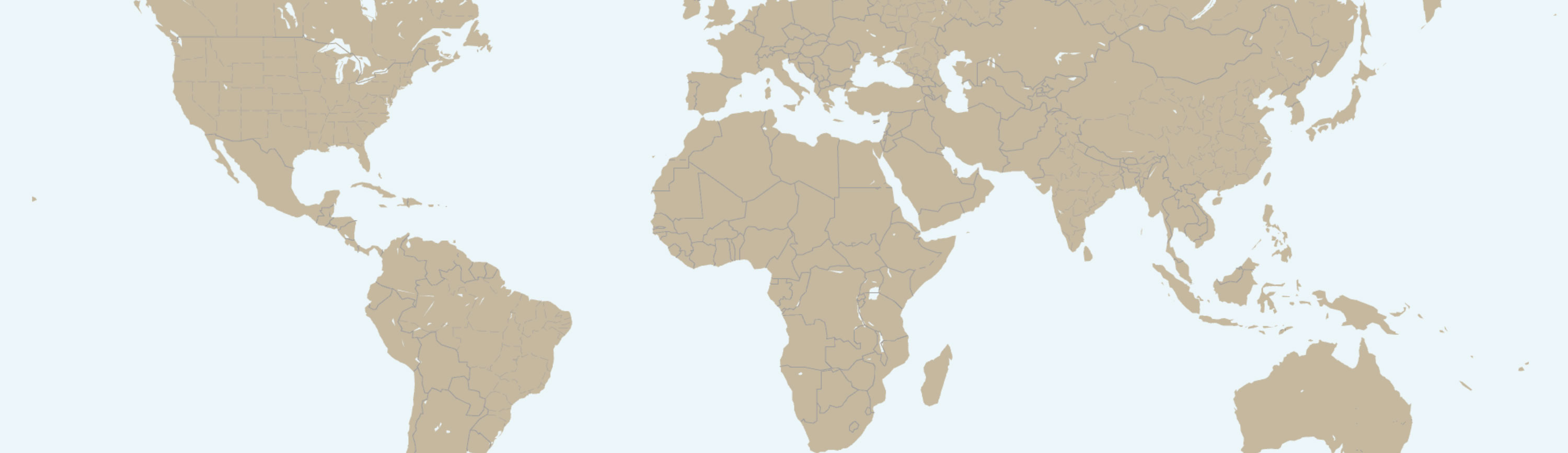
Please note that not all cases of disease or outbreaks are reported; some outbreaks may only be reported if they occur outside of the usual recognised risk area or season, or they have been reported in greater than usual numbers. See 'About Outbreaks' tab below for further detail.
For further information on red, amber and green alert categories, see About Outbreaks tab.
Dengue in Nauru
As of 19 August 2025, a total of 379 confirmed dengue cases, with two deaths have been reported since 27 June 2025. Cases are widely distributed across the island, with most cases reported from Aiwo, Baitsi, Boe, Denigomodu and Meneng. Please see our Topics in Brief article for further details on dengue.
Chemical waste containing heavy metals in Zambia
As of 19 August 2025, the Foreign, Commonwealth & Development Office advised chemical waste containing heavy metals was released from a Copperbelt Province mine into the Chambish Stream and the Mwambashi and Kafue Rivers in February 2025. Exposure to heavy metal contaminants may affect health. As a precaution, bathing in rivers and streams near the Chambishi stream, and where these two rivers meet, should be avoided. Travellers should also avoid untreated locally sourced water or fish from this area (boiling water does not remove heavy metal contaminants) and seek medical attention if unwell.
Severe fever with thrombocytopaenia syndrome in Japan
On 7 August 2025 a confirmed case of Severe fever with thrombocytopenia syndrome (SFTS) was reported in the city of Sapporo, Hokkaido. The likely area the infection was acquired was Ibaraki prefecture in the Kanto region. As of April 30, 2025, Japan had reported 12 cases of SFTS.
Malaria in Mayotte
As of 31 July 2025, a total of 12 locally acquired Plasmodium falciparum malaria cases have been reported in Mayotte in 2025. These are the first locally acquired cases of malaria in Mayotte since July 2020. Please see our Topics in Brief article for further details on malaria.
Crimean-Congo haemorrhagic fever in Spain
As of 13 August 2025, a total of three cases of Crimean-Congo haemorrhagic fever have been reported in Spain in 2025. Two cases have been reported from Salamanca and one from Toledo. Please see our Topics in Brief article for further details on Crimean-Congo haemorrhagic fever.
On 28 May 2025, local health officials have reported a confirmed case of Crimean-Congo haemorrhagic fever (CCHF) in Salamanca. The case was exposed via a tick bite. Please see our Topics in Brief article for further details on CCHF.
Source: StateIn 2024, a total of four cases of Crimean-Congo haemorrhagic fever (CCHF) have been reported in Spain.
Source: ECDCAs of 22 July 2024, a case of Crimean-Congo haemorrhagic fever (CCHF) has been reported in a man who was bitten by a tick in the municpality of Buenasbodas (Toledo).
Source: StateOn 27 April 2024, the Castile and León Ministry of Health reported a confirmed case of Crimean-Congo haemorrhagic fever (CCHF) in Salamanca.
Source: StateCholera in Sudan
As of 14 August 2025, 99,700 suspected cholera cases and 2,470 deaths have been reported in Sudan since the start of the outbreak in July 2024. Please see our Topics in Brief article for further details on cholera.
As of 3 July 2025, 83,010 suspected cholera cases and 2,121 deaths have been reported in Sudan since the start of the outbreak in July 2024. Cases have been reported in all states except Central Darfur. Internal displacent and refugee settlements have primarily been affected. Please see our Topics in Brief article for further details on cholera.
Source: UNICEFAs of 6 June 2025, 74,695 cholera cases and 1,795 deaths have been reported from 12 states in Sudan since the start of the outbreak during July 2024. Sudan has experienced a 79% average increase in cholera cases since 9 May 2025. Please see our Topics in Brief article for further details on cholera.
Source: StateAs of 1 June 2025, a total of 14,309 suspected cases of cholera (328 deaths) have been reported from 12 states. This brings the total number of cases to 65,285 cases (1,712 deaths) since the outbreak began in July 2024, against the background of a complex humanitarian crisis. Please see our Topics in Brief article for further details on cholera.
Source: Africa CDCAs of 14 January 2025, a total of 51,202 cases of cholera have been reported from 11 states. Please see our Topics in Brief article for further details on cholera.
Source: StateAs of 7 October 2024, a total 26,529 cholera cases, with 775 deaths have been reported for 2024. Please see our Topics in Brief article for further details on cholera.
Source: WHOFrom 1 January to 29 September 2024, Sudan has reported a total of 20,062 cholera cases and 622 deaths. 15,047 new cases were reported between 2 and 29 September 2024.
Source: WHOLegionnaires' disease in USA
As of 8 August 2025, 83 cases and 3 associated deaths from Legionnaires' disease have been reported in Central Harlem, New York City.
Dengue in Italy
As of 5 August 2025, 111 confirmed cases of dengue (4 locally acquired) were reported. Two of the locally acquired cases have been identified in Emilia-Romagna and Veneto regions; further epidemiological investigations are in progress. Please see our Topics in Brief article for further details on dengue.
As of 25 July 2025, three locally acquired cases of dengue have been reported in Italy. Please see our Topics in Brief article for further details on dengue.
Source: ECDCAs of 15 July 2025, Italian health authorities have reported the first locally acquired case of dengue of the year. This case was reported in the Emilia Romagna region. A further 82 imported cases of the disease have been recorded in a number of regions. Please see our Topics in Brief article for further details on dengue.
Source: StateAs of 7 November 2024, 213 locally acquired-dengue cases have been reported in Italy. Cases have been reported from Abruzzo, Emilia Romagna, Lombardy, Marche, Tuscany, Veneto. Please see our Topics in Brief article for further details on dengue.
Source: ECDCAs of 24 October 2024, a total of 200 locally acquired dengue cases have been reported in Italy since the start of 2024. A total of 136 cases have now been confirmed as dengue virus type 2 (DENV-2) in the Marche Region.
Source: StateAs of 8 October 2024, a total of 173 locally acquired dengue cases have been reported in Italy since the start of 2024.
Source: StateAs of 3 October 2024, a total of 130 locally acquired dengue cases have been reported in Italy since the start of 2024. A total of 102 cases have now been confirmed as dengue virus type 2 (DENV-2) in the Marche Region. Sporadic cases of locally acquired DENV type 1, 2 and 3 continue to be reported in Abruzzo, Emilia-Romagna, Lombardy, Tuscany and Veneto regions.
Source: StateAs of 24 September 2024, a total of 64 locally acquired dengue cases have been reported in Italy since the start of 2024. A total of 51 cases have now been confirmed as dengue virus type 2 (DENV-2) in the Marche Region. Sporadic cases of locally acquired DENV type 1, 2 and 3 continue to be reported in Abruzzo, Emilia-Romagna, Lombardy, Tuscany and Veneto regions.
Source: StateAs of 19 September 2024, a total of 25 locally acquired dengue cases have been reported in Italy since the start of the year. A total of 20 cases were confirmed as dengue virus type 2 (DENV-2) in the Marche Region. Sporadic cases of locally acquired DENV type 1, 2 and 3 were reported in Abruzzo, Emilia-Romagna, Tuscany and Lombardy Regions.
Source: StateAs of 13 September 2024, two locally acquired cases of dengue have been reported in 2024 from Emilia-Romagna and Lombardy regions.
Source: StateOn 22 August 2024, the provincial health authorities have reported the first locally-acquired case of dengue in the municipality of Albinea, Reggio Emilia province. The case had not reported any foreign travel, however lives with family members that have recently returned from travel in East Asia.
Source: StatecVDPV2 in Germany
In the week ending 6 August 2025, eight circulating vaccine-derived polio virus type 2 (cVDPV2)-positive environmental samples were reported in Germany; one from Baden, three from Bayern, one from Rheinland, and three from Sachsen. Please see our Topics in Brief article for further details on polio.
During the week ending 28 May 2025, one circulating vaccine-derived poliovirus type 2 (cVDPV2) positive environmental sample was reported, collected on 21 April, from Sachsen, Germany. Please see our Topics in Brief article for further details on polio.
Source: GPEIAs of 21 May 2025 circulating vaccine-derived poliovirus type 2 (cVDPV2) was reported in an environmental sample from Rheinland-Pfalz. This sample was collected on 7 April 2025. Please see our Topics in Brief article for further details on polio.
Source: GPEIAs of 26 February 2025, four cVDPV2 environmental samples were reported from Berlin, Baden-Wuerttemberg and Nordrheirn-Westfalen in Germany. These samples were collected between November, December 2024 and January 2025. Please see our Topics in Brief article for further details on polio.
Source: GPEIAs of 15 January 2025, 11 cVDPV2 positive environmental samples were reported from Germany in Bonn, Nordrhein-Westfalen, Sachsen and Bayern. These samples were collected during November and December 2024.
Source: GPEIAs of 18 December 2024, a total of seven cirulating vaccine-derived poliovirus type 2 (cVDPV2) positive environmental samples have now been detected in environmental sewage samples in Germany collected in November 2024. Please see our Topics in Brief article for further details on polio.
Source: GPEIDuring the week ending 4 December 2024, four cVDPV2-positive environmental samples collected in October and November 2024 were reported from Germany across Munich, Bonn, Cologne and Hamburg. Please see our Topics in Brief article for further details on polio.
Source: GPEIAs of 28 November 2024, circulating vaccine-derived poliovirus type 2 (cVDPV2) has been detected in environmental (sewage) samples in Germany. The detected virus is genetically linked to a strain that emerged in Nigeria. Please see our Topics in Brief article for further details on polio.
Source: WHONipah virus in India
Between 17 May and 12 July 2025, there have been four confirmed Nipah virus cases, including two deaths in Kerala. Please see our Topics in Brief article for further details on Nipah virus.
As of 13 July 2025, a third case of Nipah virus disease has now been reported in Kerala since the start of 2025. Please see our Topics in Brief article for further details on Nipah virus disease.
Source: StateAs of 7 July 2025, a second case of Nipah virus disease has now been reported in Kerala since the start of 2025. Public health measures, including contact tracing, are ongoing. Please see our Topics in Brief article for further details on Nipah virus disease.
Source: StateAs of 9 May 2025, one case of Nipah virus disease has been reported from Malappuram district, Kerala during 2025. Please see our Topics in Brief article for further details on Nipah virus disease.
Source: StateAs of 15 September 2024, a case of Nipah virus infection has been confirmed in Malappuram district, Kerala. Earlier in the year, in July 2024, a case had been reported from the same district.
Source: StateAs of 21 July 2024, a fatal case of Nipah virus infection has been confirmed in Kerala. Contact tracing and epidemiological surveillance is ongoing.
Source: StateNaTHNaC regularly review and update information on disease outbreaks and other health issues that may affect the UK traveller. You can search the information by disease or by country in our Outbreak Surveillance section.
The information comes from a wide variety of sources and can be used along with the Country Information section of our website where you will find recommendations on vaccines, malaria and other risks for each country (where relevant).
Please note that not all cases of disease or outbreaks are reported. In some countries, there may be limited surveillance and reporting processes in place so information can be difficult to obtain. Some diseases may only be reported if they occur outside of the usual recognised risk area or season, or they have been reported in greater than usual numbers. Outbreaks of those diseases included in the UK childhood vaccination programme are not usually reported unless the outbreak is unusual or unexpected.
The information presented in the disease surveillance reports is collated from a variety of sources, including government bodies, international organisations and the media. The verification status of each report is clearly indicated. Verified reports are confirmed by official sources. Some unverified reports are included to ensure timely dissemination of information and where possible we will try to substantiate these reports, although confirmation may not always be possible. Unverified reports may be subject to change, misreporting and may later prove to be unsubstantiated. They should not therefore be regarded as official.
Where available, a web link is provided to the original information source. We cannot accept responsibility for the sites to which it links, or for the information found on those sites. Linking to outside sites does not in any way imply endorsement of these sites. If you wish to use the following content for official purposes, please refer to the original sources of information.
Key to NaTHNaC alert level feature
LEVEL 1: GREEN |
Take usual precautions
|
Follow standard protective measures, as recommended for this destination, disease or situation. Be aware that advice may change and check for updates. |
|
LEVEL 2: AMBER |
Take extra precautions
|
Follow any additional precautions recommended. Be alert and check regularly for changes in advice about this ongoing situation. Advice may be relevant for all travellers or apply to a specific group of travellers. |
|
LEVEL 3: RED |
FCDO advise against travel
|
The Foreign, Commonwealth & Development Office (FCDO) advise against travel on health grounds. This may mean avoiding non-essential travel, or all travel, follow the FCDO advice for details. Please note we do not report on FCDO safety and security alerts. Travellers should check the FCDO travel advisories for their destination for this information. |
|
Alert categories are based on the situation at the time of publication. They will not be routinely updated unless outbreak information or a news item is updated.
Help us to adapt a Travel Health Resource for UK Travellers

Take part in a study that aims to help UK travellers make informed choices about Japanese encephalitis (JE) vaccination.
Find out moreGet TravelHealthPro on your site

Integrate features of TravelHealthPro into your own website with our API and widget