

Methanol poisoning
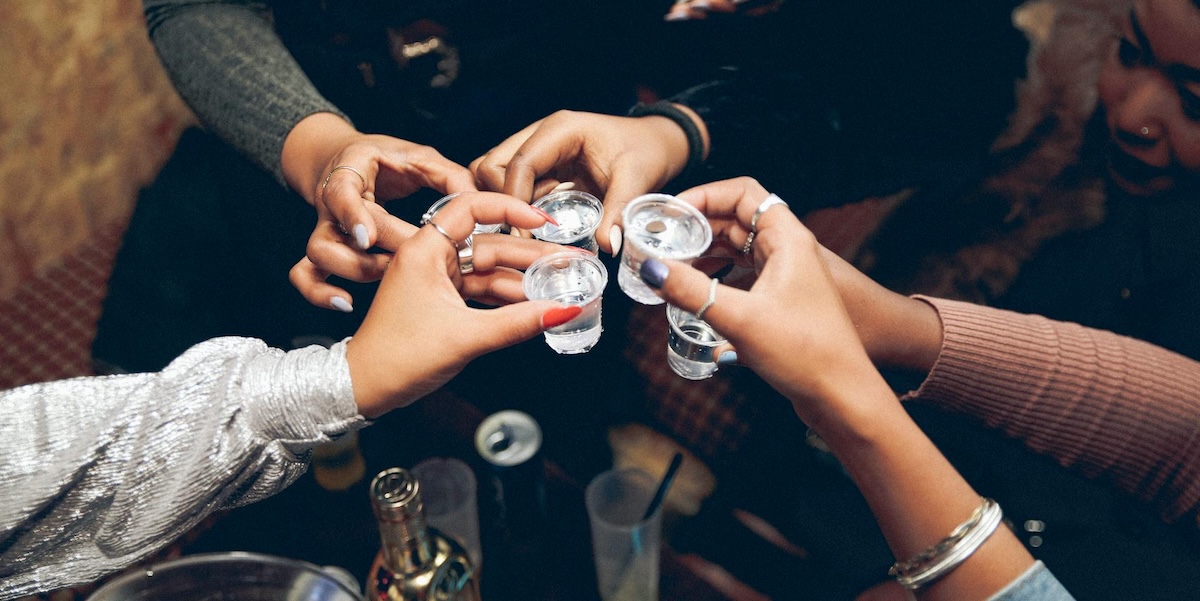
Methanol is a clear, colourless liquid. It is used in industrial products, like antifreeze and some cleaning products. Drinking methanol, even in very small amounts, is extremely dangerous. This is because your body turns it into harmful chemicals like formic acid that are poisonous to humans.
Methanol is occasionally found in fake (counterfeit) imitations of well-known alcohol brands like vodka or illegal local spirits and 'bootleg alcohol'. People, including UK travellers, have died or suffered serious illness after drinking alcoholic drinks contaminated with methanol while abroad. Methanol is very hard to detect as it can look, taste and smell similar to alcohol. It may also be mixed with regular alcohol, making it hard to notice.
At first, symptoms of methanol poisoning are similar to those of alcohol poisoning; including confusion, vomiting, dizziness and drowsiness or feeling tired. Because of this, symptoms could be mistaken for a normal hangover.
Typically, people with methanol poisoning may not experience any further symptoms for up to 12–24 hours. After this, their condition worsens, and they start to experience symptoms including stomach pain, vertigo, rapid breathing, breathlessness, blurred vision, trouble looking at bright lights or even blindness, seizures or unconsciousness. If methanol poisoning is not treated it can lead to permanent blindness, organ failure or death.
If you suspect methanol poisoning, or hangover-like symptoms are not improving, seek emergency medical help immediately. Tell doctors about any recent alcohol consumption. Treatments, including ethanol, can help if given early enough.Prevention
Remember to:
- Drink alcohol only from reputable stores, bars, clubs or restaurants.
- Avoid homemade or streetside alcohol and do not drink from unlabelled bottles.
- Be cautious about alcohol that is unusually cheap or free as well as pre-mixed spirit-based drinks such as cocktails, shots or drinks served in 'buckets' or jugs.
- Check that bottles have not been tampered with. Labels should be printed properly without spelling mistakes.
- Stick with sealed or bottled branded drinks from licensed establishments or buy alcohol in duty-free before you arrive.
- Trust that if it looks, smells or tastes odd, you probably should not be drinking it.
- Seek immediate medical help if you suspect methanol poisoning, or hangover symptoms are not getting better. Treatment is most effective if given within 10–30 hours of drinking methanol.
Resources
- GOV.UK: Spiking and methanol poisoning
- UK Health Security Agency: Methanol: general information
- Sawettachai, J. and Flaherty, G. Toxic travels: the rising threat of methanol poisoning in international travellers, J Trav Med;32(4) May 2025
- Médecins Sans Frontiers (MSF): Methanol poisoning
- Methanol Institute: Could it be methanol poisoning?
- FCDO: Spiking and methanol poisoning (includes a methanol poisoning awareness poster for clinics)
- FCDO: Press release: Campaign to prevent methanol poisoning tragedies abroad
Explore more
Chikungunya
Chikungunya is a viral infection caused by the chikungunya virus (CHIKV) and is transmitted through the bite of an infected mosquito
Dengue
Dengue is an infection caused by the dengue virus of which there are four different types (serogroups) and transmitted through the bite of an infected mosquito
Malaria
Malaria is a serious and sometimes fatal disease, transmitted by the bite of an infected mosquito occurring in many tropical regions of the world
Marburg disease
Marburg virus is an animal-borne (zoonotic) virus that can cause a severe and often fatal haemorrhagic fever called Marburg disease (MARD)
Recent News on Methanol poisoning
Methanol poisoning and local herbal brews during travel
Stay safe while enjoying drinks overseas by following our travel health advice
Updated: 03 December 2024Recent Methanol poisoning Outbreaks
Methanol poisoning in Brazil
On 20 October 2025, a total of 47 confirmed cases of methanol poisoning, with nine confirmed deaths, have been reported in Brazil for 2025. São Paulo state reported the highest number, with 38 confirmed cases and 19 under investigation. Confirmed cases have also been reported in Paraná (5), Pernambuco (3) and Rio Grande do Sul (1) states. Investigations are ongoing into suspected cases in Bahia, Goiás, Mato Grosso do Sul, Minas Gerais, Piauí, Rio de Janeiro and Tocantins states. Please see the FCDO guidance on methanol poisoning for further details.
Methanol poisoning in Colombia
As of 7 October 2025, a total of 89 cases of methanol poisoning have been reported in Colombia. An outbreak was reported in the city of Barranquilla, with additional cases in other departments. Please see the FCDO guidance on methanol poisoning for further details.