Ebola disease
The current Ebola disease outbreak caused by Bundibugyo virus disease (BVD) remains a public health emergency of international concern
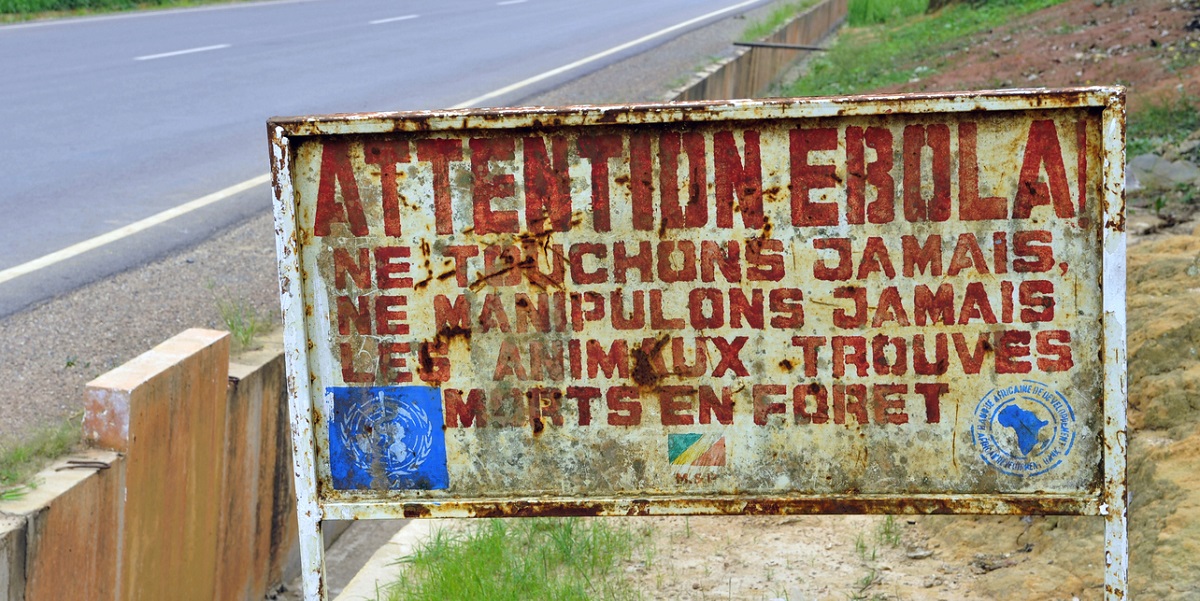
On 5 May 2026, the World Health Organization (WHO) was informed of a disease outbreak with a high fatality rate in Ituri Province, Democratic Republic of the Congo (DRC). The cause of this outbreak was confirmed by WHO to be a type of Ebola disease known as Bundibugyo virus disease (BVD) [1].
On 17 May 2026, WHO declared the outbreak a public health emergency of international concern (PHEIC) under the International Health Regulations (2005) [2].
The outbreak continues to evolve, with geographic expansion of cases into new areas. By mid-October 2026, cases had been reported across eight provinces in DRC. This is now the largest Ebola disease outbreak ever recorded in this country [3].
Cases have also been reported in a number of other countries in the region since the outbreak began:
- Uganda: A total of 20 confirmed BVD cases were reported between May and June 2026: 15 were imported cases from DRC and five secondary cases among close contacts and healthcare workers. The outbreak was declared over in August 2026 [4].
- Kenya: on 6 October 2026, the Kenya Ministry of Health reported the first case and death of BVD in a Kenyan citizen who had been living in the DRC [5]. A further eight cases were linked to this imported case, but there has been no evidence of transmission outside this cluster [3].
- Nigeria: in October 2026, Nigeria's Centre for Disease Control reported the first imported case of BVD into the country [6]. The case was medically evacuated to Switzerland and has since been discharged [3].
A further imported case was identified in France in June, in a humanitarian aid worker returning from an affected area in DRC [7]. A UK medical doctor working to support the outbreak response in the DRC was also evacuated back to the UK in early November after testing positive for BVD [6].
For the latest case numbers and affected locations, see the DRC Ministry of Public Health: Outbreaks under surveillance and WHO outbreak information.
WHO has advised the DRC to implement exit screening at international airports, seaports and major land crossings to identify people with unexplained fever and possible Ebola disease. Some countries have also introduced screening for arriving passengers or are refusing entry to some groups of travellers from countries reporting Ebola disease [8, 9].
Travellers should check current entry requirements and public health measures before travelling.
What is Ebola disease?
Ebola disease is a severe, potentially fatal illness caused by viruses in the Orthoebolavirus genus. There are four species of Ebola virus known to cause disease in humans, including the Bundibugyo species [10]. The current Ebola disease outbreak in DRC is caused by Bundibugyo virus.
Infection occurs through direct contact with the blood or other bodily fluids of an infected person, or with contaminated objects such as clothing, bedding or medical equipment [11]. Healthcare workers or people caring for infected individuals at home are at increased risk if appropriate infection prevention and control measures are not followed.
Sexual transmission has also been documented, and the virus can be present in semen for many months after recovery [10].
Burial practices that involve direct contact with the body or bodily fluids of an infected person who has died of Ebola disease may also contribute to transmission, particularly when mourners touch or wash the body, which may still carry high levels of the Ebola virus [12].
Ebola is a zoonotic disease. Although rare, people may become infected through contact with infected wild animals, including fruit bats and non-human primates (e.g. chimpanzees, gorillas), or through handling or eating contaminated wild animal meat [13].
An infected person can only spread the virus once symptoms begin – there is no evidence that Ebola spreads through intact skin, or through coughing or sneezing [13].
Symptoms of Ebola usually appear suddenly, between 2 and 21 days after coming into contact with the virus, and start with a flu-like illness including a high temperature, extreme tiredness, muscle aches, sore throat and headache. These may be followed a few days later by vomiting, diarrhoea and stomach pain, and some people go on to develop a rash, cough and shortness of breath. Bleeding can occur in severe cases as the disease progresses [13].
There is currently no licensed vaccine or specific treatment available for BVD. Treatment mainly consists of supportive medical care, including hydration, management of symptoms and careful infection prevention and control measures.
Research on vaccines against BVD is ongoing, with early phase trials underway [14].
Imported Ebola disease cases are extremely rare in the UK. Since 1976, there have been four confirmed Ebola disease cases reported in the UK. One was a laboratory-acquired case in 1976. Three further cases were in reported in health workers associated with an outbreak in West Africa from 2014 to 2015. There have been no UK deaths from Ebola disease [10].
Advice for travellers
Before you travel
You should check current entry requirements for your destination on the Foreign, Commonwealth and Development Office (FCDO) before travel. Remember to check entry requirements for any other countries you plan to visit or transit through, as enhanced screening measures may be in place at some borders. Some countries may also impose restrictions for those arriving from countries where Ebola disease is currently reported.
If travelling to an area affected by Ebola disease, consider whether your journey is essential and assess the risks associated with your planned activities and itinerary.
You should check our Outbreak Surveillance information, the UK Health Security Agency (UKHSA) and FCDO for latest updates on Ebola disease outbreaks.
In addition to the above advice, make sure you are protected against other travel related health risks. Destination-specific travel health advice can be found on TravelHealthPro Country Information pages, including malaria advice.
Make an appointment with your GP, practice nurse, a travel clinic or a pharmacy offering travel services for malaria prevention tablets and to check you are in-date for all recommended travel and routine UK vaccines, including MMR or MMRV and polio, diphtheria and tetanus vaccines. Even if time is short, last-minute advice is still helpful – some vaccines and malaria tablets can be given just before travel.
This is particularly important if you have any ongoing medical conditions.
Ensure you have comprehensive travel insurance with medical evacuation cover.
While you are away
To reduce your risk of exposure to Ebola virus:
- wash your hands regularly and carefully using soap and water (or alcohol gel when soap is unavailable)
- avoid contact with anyone who has suspected or confirmed Ebola disease, including contact with their blood or other bodily fluids (such as urine, saliva, sweat, vomit, breast milk or semen)
- avoid touching clothes, bedding, needles, medical equipment or other items that may have been contaminated by an infected person's body fluids
- do not touch the bodies or bodily fluids of people who have died from suspected or confirmed Ebola disease
- avoid participating in funerals or burials that involve touching or handling the body of someone who died
- avoid contact with wild animals, whether alive or dead, and do not handle or eat bushmeat (the meat of wild or feral mammals killed for food)
- avoid going into caves, mines or other places where bats may be present
- avoid seeking treatment from traditional healers where practices may involve direct contact with potentially infected people or their bodily fluids, or the use of unsterilised equipment
- practice safer sex (using barrier contraception), as the virus can be present in semen for many months after recovery
If you are identified as a contact, follow public health advice and do not travel.
If you become unwell whilst abroad, seek medical advice as soon as possible. If Ebola disease is considered a possibility you will need to follow local public health advice. Remember to also contact your travel insurance provider/healthcare provider for advice.
Remember, other infections such as malaria are a risk in these countries. Take rigorous mosquito bite precautions and antimalarials as recommended.
When you return
If you become ill within 21 days of returning home, seek urgent medical advice. In the UK, contact NHS 111 or your GP. Although it is very unlikely you have Ebola disease, you should mention your dates and travel itinerary and any potential exposure to the virus.
Ebola disease is rare in returning travellers, but prompt assessment is important if there has been a possible exposure.
Other infectious diseases, like malaria, are present in many areas of Africa, including the DRC, Uganda, Kenya and Nigeria. You should be aware of the signs and symptoms of malaria and should seek immediate medical attention if these occur either while you are abroad or up to a year after you return to the UK.
Advice for humanitarian and other workers
If you are travelling to, or are already working in an affected country, follow the advice from your deploying organisation. More information is available on the UKHSA Returning Workers Scheme page.
The risk to UK humanitarian or aid workers in the affected areas in the DRC is likely to be higher than for tourists or travellers in other areas of the DRC.
The exposure risk for those working directly with individuals with Ebola disease can be mitigated by safe systems of work, and the trained use of appropriate and readily available personal protective equipment (see Advisory Committee on Dangerous Pathogens guidance).
Make sure you are familiar with your deploying organisation's risk assessment and guidance regarding Ebola disease. This should include their Ebola disease mitigation strategy for workers, any appropriate training, and the protective measures they have in place, including PPE provision, at your destination. If you are working in affected areas, the risk will vary, depending on your activities. If you are working with infected individuals, strict barrier techniques should be implemented, and you should be provided with, and trained in, the use of PPE [15].
Organisations deploying individuals to affected areas where they might be directly exposed to Ebola virus through their work (for example humanitarian and healthcare organisations) should register with UKHSA's Returning Workers Scheme (RWS).
This outbreak is being closely monitored, and advice may change as the epidemiological situation evolves. Travellers should monitor NaTHNaC and FCDO updates on a regular basis for more information.
Please see our website Outbreak Surveillance for latest information.
Resources
- Ebola disease in brief
- European Centre for Disease Prevention and Control: Questions and answers about the current outbreak of Ebola disease
- UK Health Security Agency: Ebola virus disease: clinical management and guidance
- UK Health Security Agency: returning workers scheme (RWS)
- UK Health Security Agency: Ebola and Marburg haemorrhagic fevers: outbreaks and case locations
- World Health Organization: Rapid risk assessment, acute event of potential public health concern. Democratic Republic of the Congo (with exportation to the Republic of Uganda)
References
-
World Health Organization. Ebola disease caused by Bundibugyo virus, Democratic Republic of the Congo and Uganda. 16 May 2026. [Accessed 24 November 2026]
-
World Health Organization. Epidemic of Ebola Disease caused by Bundibugyo virus in the Democratic Republic of the Congo and Uganda determined a public health emergency of international concern. 17 May 2026. [Accessed 24 November 2026]
-
World Health Organisation. Disease Outbreak News. Ebola disease caused by Bundibugyo virus – Democratic Republic of the Congo, Kenya and Nigeria. 20 November 2026 [Accessed 24 November 2026]
-
World Health Organization. Disease Outbreak News. Ebola disease caused by Bundibugyo virus – Democratic Republic of the Congo and Uganda. 3 July 2026 [Accessed 24 November 2026]
-
Kenya Ministry of Health. Cabinet Secretary Press Release on confirmed case of Bundibugyo Ebola virus. 6 October 2026. [Accessed 24 November 2026]
-
UK Health Security Agency. Ebola and Marburg haemorrhagic fevers: outbreaks and case locations. Last updated 19 November 2026. [Accessed 24 November 2026]
-
Ministry of Health, France. Ebola: First case identified in a humanitarian doctor returning from a mission in the Democratic Republic of Congo (DRC). 24 June 2026 [Accessed 24 November 2026]
-
US Centers for Disease Control and Prevention. Order: Suspending the Right to Introduce Certain Persons from Countries Where a Quarantinable Communicable Disease Exists. Last updated 10 November 2026. [Accessed 24 November 2026]
-
US Centers for Disease Control and Prevention. Information for Travelers Returning from Ebola-Affected Areas. 30 October 2026. [Accessed 24 November 2026]
-
UK Health Security Agency. Ebola: overview, history, origins and transmission. Updated 11 November 2026. [Accessed 24 November 2026]
-
World Health Organization. Ebola disease. Undated. [Accessed 24 November 2026]
-
World Health Organization. New WHO safe and dignified burial protocol - key to reducing Ebola transmission 7 November 2014. [Accessed 24 November 2026]
-
UK Health Security Agency. Ebola: what are the symptoms and how does it spread? 15 October 2026 [Accessed 24 November 2026]
-
World Health Organisation. Ebola vaccines. 9 November 2026 [Accessed 24 November 2026]
-
World Health Organization. Ebola and Marburg disease outbreaks: infection prevention and control research priorities in health care settings. 27 August 2024. [Accessed 24 November 2026]
-
Updated case numbers and additional advice for travellers planning to visit affected areas.
-
Updated case numbers, including imported case reported in Nigeria and an addition of new region where Ebola detected.
-
Minor wording amendments, and update to case numbers in Kenya.
-
Updated case numbers and information on an imported case reported in Kenya.
-
Updated case numbers and addition of new region where Ebola detected.
-
Updated UK Health Security Agency Ebola and Marburg: returning workers scheme (RWS) information added.
-
Update of case numbers in DRC and Uganda and signpost to potential enhanced border screening measures.
Explore more
Changes to NaTHNaC telephone contact numbers
NaTHNaC Advice Line and General Enquiries telephone numbers will change from Monday, 30 November 2026
Updated: 27 November 2026Haemolytic uraemic syndrome (HUS) and Shiga toxin-producing E. coli (STEC) associated with travel to Egypt
New report published by UKHSA highlighting an increase in cases in travellers returning from Egypt
Updated: 27 November 2026Yellow fever update
Yellow fever cases continue to be reported in Africa and South America
Updated: 25 November 2026
Help us to adapt a Travel Health Resource for UK Travellers

Take part in a study that aims to help UK travellers make informed choices about Japanese encephalitis (JE) vaccination.
Find out moreGet TravelHealthPro on your site

Integrate features of TravelHealthPro into your own website with our API and widget