

Ebola disease in DRC and Uganda
The World Health Organization has confirmed an outbreak of Ebola disease in the Democratic Republic of the Congo with imported cases in Uganda and declared this a public health emergency of international concern
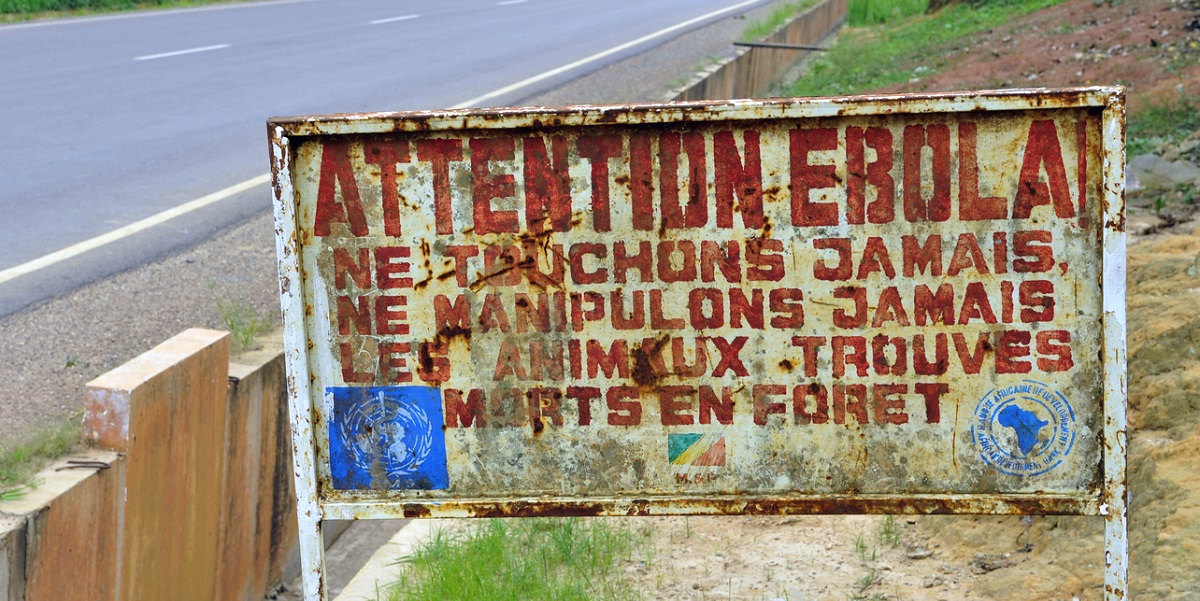
On 5 May 2026, the World Health Organization (WHO) was informed of a disease outbreak with a high fatality rate in Mongbwalu Health Zone, Ituri Province, Democratic Republic of the Congo (DRC). Following investigation and testing by rapid response teams, the cause of this outbreak was confirmed by WHO to be a type of Ebola disease (EBOD) known as Bundibugyo virus disease (BVD) [1].
On 15 May 2026, DRC Ministry of Public Health, Hygiene and Social Welfare officially declared the 17th Ebola disease outbreak in the DRC, occurring in Rwampara, Mongbwalu and Bunia health zones [2]. As of 1 June 2026, a total of 321 confirmed EBOD cases, including 48 confirmed deaths, and 220 suspected cases, have been reported from Ituri, North Kivu and South Kivu provinces [3].
A total of 16 EBOD cases in health and care workers in DRC have been reported during this outbreak [4, 5] and five people (four nurses and a laboratory worker) have now recovered from the virus [5].
On 15 May 2026, the Ministry of Health of Uganda confirmed an outbreak of BVD EBOD following the identification of an imported case from the DRC. [6]. As of 2 June 2026, the number of confirmed EBOD cases in Uganda is 15, with one confirmed death [7].
On 17 May 2026, WHO announced that under International Health Regulations (2015) this outbreak of BVD EBOD was now classed as a public health emergency of international concern (PHEIC) [8].
WHO have advised DRC to implement exit screening of all persons at international airports, seaports and major land crossings, for unexplained febrile illness consistent with potential EBOD [1].
What is Ebola?
There are four species of Ebola virus known to cause EBOD in humans [9]. Both DRC and Uganda have previously reported outbreaks of Ebola in 2025 [10, 11].
EBOD is a severe, often fatal illness in humans. The virus can be spread from person to person through direct contact (through broken skin or mucous membranes) with the blood or other bodily fluids of infected persons.
Burial practices that involve direct contact with the body or bodily fluids of an infected person who has died of EBOD may also contribute to transmission, particularly when mourners touch or wash the body, which may still carry high levels of the Ebola virus [12].
People can also become infected through contact with objects, such as needles or soiled clothing that have been contaminated with body fluids from people infected with the virus [12, 13].
Ebola can be introduced into the human population through contact with the blood, organs and other bodily fluids of infected wild animals such as fruit bats, forest antelopes, chimpanzees and gorillas.
When there are insufficient infection prevention and control measures, including use of personal protective equipment (PPE), health workers or those caring for infected individuals at home are at risk of infection through close contact with EBOD patients. Sexual transmission has also been documented, and the virus can be present in semen for many months after recovery [9].
Country-specific information can be found on our Country Information pages and Outbreak Surveillance section.
Imported EBOD cases are extremely rare in the UK. Since 1976, there have been four confirmed cases EBOD cases reported in the UK. One was a laboratory-acquired case in 1976. Three further cases were in reported in health workers associated with an outbreak in West Africa from 2014 to 2015. There have been no UK deaths from EBOD [9].
Advice for travellers
Before you travel
All travellers should be aware that some countries have introduced screening for arriving passengers or are refusing entry to some groups of travellers from countries reporting EBOD [14, 15].
If you are travelling to any EBOD affected country, check the Foreign, Commonwealth & Development Office (FCDO) travel advice before you go. Remember to check entry requirements for any other countries you plan to visit, as enhanced screening measures may be put in place at some borders.
There are no licensed vaccine or specific therapeutic treatments against BDBV [1].
Travellers should check our Outbreak Surveillance information, the UK Health Security Agency (UKHSA) and FCDO for latest updates on EBOD outbreaks.
In addition to the above advice, make sure you are protected against other travel related risks, destination-specific travel health advice can be found on TravelHealthPro Country Information pages including malaria advice.
Make an appointment with your GP, practice nurse, a travel clinic or a pharmacy offering travel services for malaria prevention tablets and to check you are in-date for all recommended travel and routine UK vaccines, including MMR or MMRV and polio, diphtheria and tetanus vaccines. This is particularly important if you have any ongoing medical conditions.
Ensure you have comprehensive travel insurance with medical evacuation cover.
Even if time is short, last-minute advice is still helpful – some vaccines and malaria tablets can be given just before travel.
While you are away
For tourists and other leisure travellers to the DRC and Uganda, precautions should be followed to prevent infection. These include:
- avoiding contact with symptomatic patients/their bodily fluids, corpses and/or bodily fluids from deceased patients, and all wild animals, alive and dead
- washing hands regularly and carefully using soap and water (or alcohol gel when soap is unavailable)
- avoiding handling or eating bush/wild meat (the meat of wild or feral mammals killed for food)
- practising safer sex (using barrier contraception)
Travellers experiencing symptoms abroad should seek local medical advice as soon as possible and contact their travel insurance provider.
Remember other infections such as malaria are a risk in these countries. Take rigorous mosquito bite precautions and antimalarials as recommended. Seek medical attention if symptoms develop.
When you return
Get medical advice if you become ill within 21 days of returning home. Call NHS 111 or contact your GP by phone. Although it is very unlikely you have EBOD, you should mention your dates and itinerary of travel and any potential exposure to the virus.
Other infectious diseases, like malaria, are present in the DRC and Uganda. You should be aware of the signs and symptoms of malaria and should seek immediate medical attention if these occur either while you are abroad or up to a year after you return to the UK.
Advice for humanitarian and other workers
If you are travelling to the DRC or Uganda, or are already working in these countries, follow the advice from your deploying organisation.
The risk to UK humanitarian or aid workers in the affected areas in the DRC is likely to be higher than for tourists or travellers in other areas of the DRC.
The exposure risk for those working directly with individuals with EBOD can be mitigated by safe systems of work, and the trained use of appropriate and readily available personal protective equipment (see Advisory Committee on Dangerous Pathogens guidance).
Make sure you are familiar with your deploying organisation's risk assessment and guidance regarding EBOD. This should include their EBOD mitigation strategy for workers, any appropriate training, and the protective measures they have in place, including PPE provision, at your destination. If you are working in affected areas, the risk will vary, depending on your activities. If you are working with infected individuals, strict barrier techniques should be implemented, and you should be provided with, and trained in, the use of PPE [16].
Organisations deploying individuals to affected areas where they might be directly exposed to Ebola virus through their work (for example humanitarian and healthcare organisations) should register with UKHSA's Returning Workers Scheme (RWS).
This outbreak is being closely monitored, and the risk will be re-evaluated if the epidemiological situation changes. Travellers should monitor NaTHNaC and FCDO updates on a regular basis for more information.
Please see our website Outbreak Surveillance for latest information.
Resources
- Ebola disease in brief
- European Centre for Disease Prevention and Control: Questions and answers about the current outbreak of Ebola disease
- UK Health Security Agency: Ebola virus disease: clinical management and guidance
- UK Health Security Agency: returning workers scheme (RWS)
- UK Health Security Agency: Ebola and Marburg haemorrhagic fevers: outbreaks and case locations
- World Health Organization: Rapid risk assessment, acute event of potential public health concern. Democratic Republic of the Congo (with exportation to the Republic of Uganda)
References
-
World Health Organization. Ebola disease caused by Bundibugyo virus, Democratic Republic of the Congo and Uganda. 16 May 2026. [Accessed 3 June 2026]
-
The Ministry of Public Health, Hygiene and Social Welfare, DRC, officially declares the 17th Ebola Disease outbreak. 15 May 2026. [Accessed 3 June 2026]
-
Democratic Republic of the Congo Ministry of Health. Ebola. SitRep N°017/MVB_31/2026. 1 June 2026. [Accessed 3 June 2026]
-
World Health Organization. Disease Outbreak News. Ebola disease caused by Bundibugyo virus, Democratic Republic of the Congo & Uganda. 29 May 2026. [Accessed 3 June 2026]
-
World Health Organization Regional Office for Africa. Four health workers recover from Ebola in the Democratic Republic of the Congo. 31 May 2026. [Accessed 3 June 2026]
-
Press Statement Ebola Bundibugyo Virus Disease Outbreak 2026 - Ministry of Health - Uganda. 16 May 2026. [Accessed 3 June 2026]
-
Ministry of Health Uganda. Ebola Updates as of 2 June 2026. Official social media post. [Accessed 3 June 2026]
-
World Health Organization. Epidemic of Ebola Disease caused by Bundibugyo virus in the Democratic Republic of the Congo and Uganda determined a public health emergency of international concern. 17 May 2026. [Accessed 3 June 2026]
-
UK Health Security Agency. Ebola: overview, history, origins and transmission. Updated 18 May 2026. [Accessed 3 June 2026]
-
World Health Organization. Ebola disease. [Accessed 3 June 2026]
-
UK Health Security Agency. Ebola and Marburg haemorrhagic fevers: outbreaks and case locations. Last updated 18 May 2026. [Accessed 3 June 2026]
-
World Health Organization. New WHO safe and dignified burial protocol - key to reducing Ebola transmission 7 November 2014. [Accessed 3 June 2026]
-
World Health Organization. Ebola disease: Q&A. 11 December 2025. [Accessed 3 June 2026]
-
US Centers for Disease Control and Prevention. Order: Suspending the Right to Introduce Certain Persons from Countries Where a Quarantinable Communicable Disease Exists. Last updated 22 May 2026. [3 June 2026]
-
US Embassy & Consulates in South Africa. Worldwide Caution. Public Health Arrival Restrictions and Enhanced Ebola Screening. 23 May 2026. [3 June 2026]
-
World Health Organization Ebola and Marburg disease outbreaks: infection prevention and control research priorities in health care settings. 27 August 2024. [Accessed 3 June 2026]
-
Update of case numbers and signpost to potential enhanced border screening measures.
Explore more
Changes to NaTHNaC telephone contact numbers
Our Advice Line and General Enquiries telephone number change has been deferred to Autumn 2026
Updated: 12 August 2026Yellow fever update
Yellow fever cases continue to be reported in Africa and South America
Updated: 05 August 2026UKHSA publishes data on selected travel-associated infections
Case numbers of selected travel-associated infections reported in England, Wales and Northern Ireland: January to June 2026
Updated: 31 July 2026Updated TravelHealthPro infographics
We have reviewed our travel-specific infographics to ensure they provide clear, up-to-date guidance
Updated: 03 August 2026Marburg disease in Uganda
The World Health Organization has reported a confirmed case of Marburg disease in Uganda
Updated: 31 July 2026
Help us to adapt a Travel Health Resource for UK Travellers

Take part in a study that aims to help UK travellers make informed choices about Japanese encephalitis (JE) vaccination.
Find out moreGet TravelHealthPro on your site

Integrate features of TravelHealthPro into your own website with our API and widget