

Malaria-free certification: Suriname
The World Health Organization has certified Suriname as malaria-free
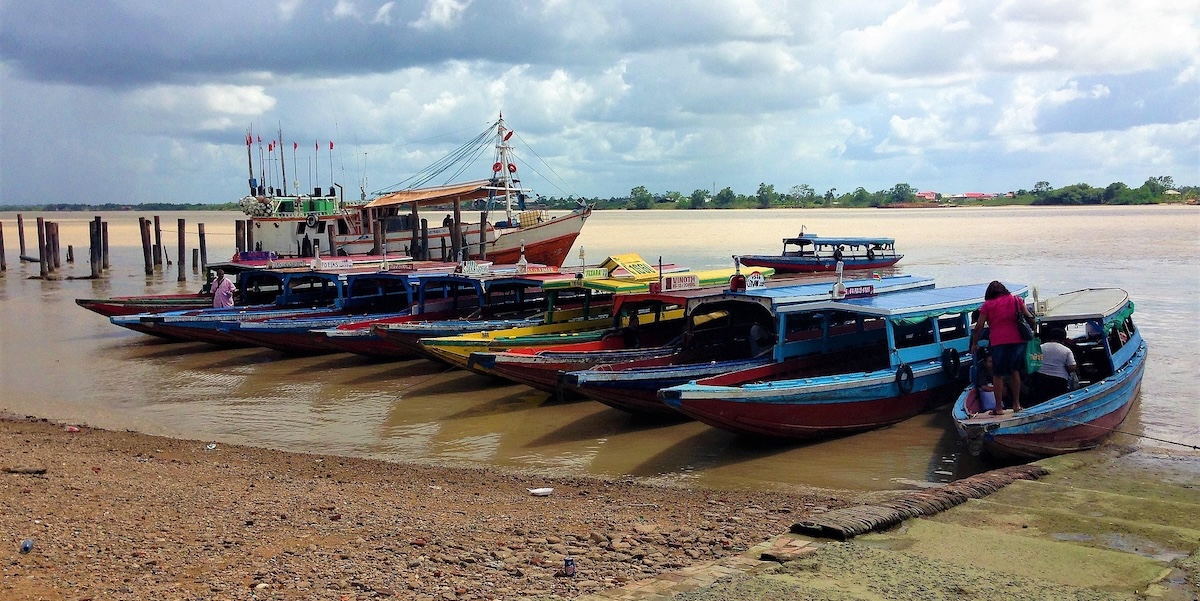
On 30 June 2025, Suriname become the first country in the Amazon region to receive malaria-free certification from the World Health Organization [1].
Globally, a total of 46 countries and one territory have reached this milestone, including 12 countries in the Region of the Americas [1].
A country can apply to the WHO for certification, but this will only be granted when the country has proved, beyond reasonable doubt, that local transmission of all types of human malaria parasites have been interrupted nationwide for at least the past three consecutive years. Countries are also required to show they have a fully functional surveillance and response system in place to prevent re-establishment of local transmission [2].
The last locally transmitted case of Plasmodium falciparum malaria in Suriname was recorded in 2018, followed by the final Plasmodium vivax case in 2021 [1].
The Country Information page for Suriname has been updated to reflect that malaria is no longer a risk in this country.
Resources
Explore more
Help us to adapt a Travel Health Resource for UK Travellers
Take part in a study that aims to help UK travellers make informed choices about Japanese encephalitis (JE) vaccination
Updated: 16 July 2026Updated guidelines for malaria prevention in travellers from the UK
UK Health Security Agency have published updated malaria guidelines for 2026
Updated: 14 July 2026Shigella and Salmonella cases reported in travellers returning from Cape Verde
A food and water hygiene reminder
Updated: 07 July 2026Worldwide dengue risk reminder
Dengue is a mosquito-spread virus found in tropical and subtropical world regions, including parts of mainland Europe
Updated: 09 July 2026Mefloquine shortage
Shortage of 250mg mefloquine (Lariam) antimalarial tablets in the United Kingdom (UK) continues
Updated: 11 June 2026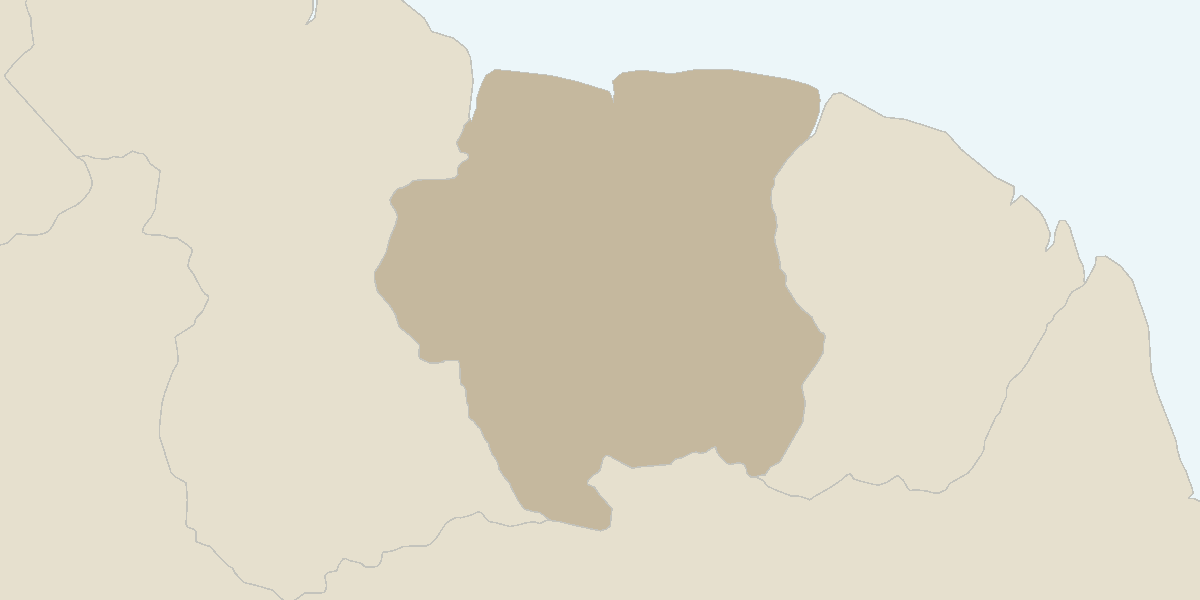
Help us to adapt a Travel Health Resource for UK Travellers

Take part in a study that aims to help UK travellers make informed choices about Japanese encephalitis (JE) vaccination.
Find out moreGet TravelHealthPro on your site

Integrate features of TravelHealthPro into your own website with our API and widget