

World Malaria Day: 25 April 2026
World Malaria Day is an opportunity to highlight the progress that has been made in eliminating malaria, but also to remember that it remains a significant problem in some countries
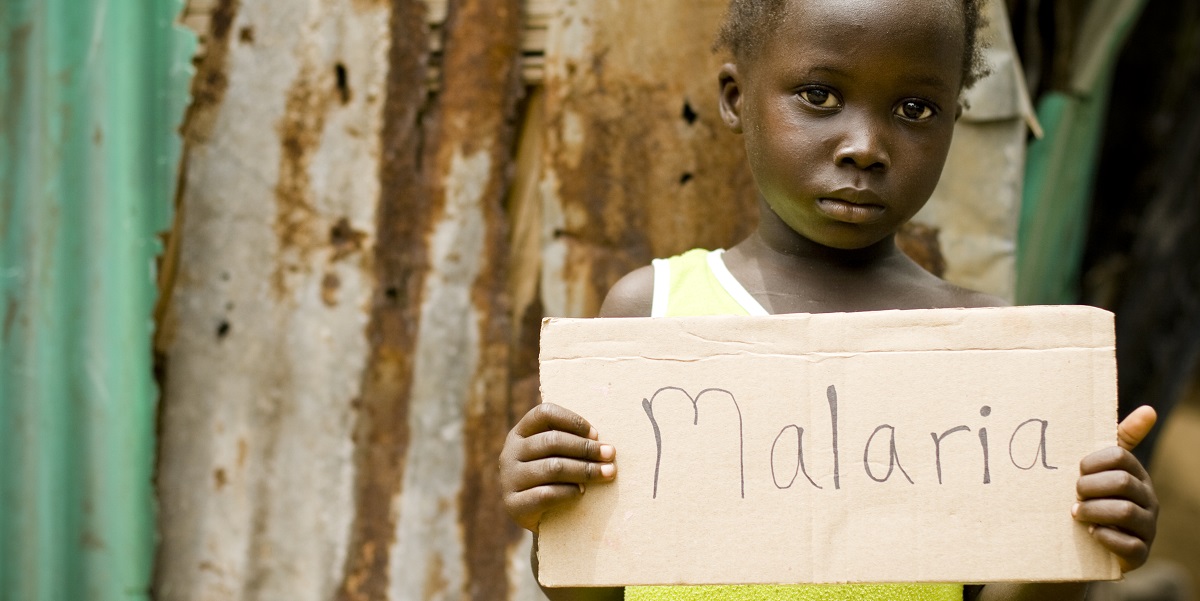
On World Malaria Day 25 April 2026, the World Health Organization joins partners to launch the campaign: "Driven to End Malaria: Now We Can. Now We Must".
Since 2000, 2.3 billion cases and 14 million deaths have been averted. To date, 47 countries have been certified malaria-free (of which two in 2024 and three in 2025), while 37 countries reported fewer than 1000 cases in 2024. The Greater Mekong Subregion proves elimination is achievable, with cases falling by nearly 90% despite long-standing drug resistance.
Between 2000 and 2024, the number of malaria-endemic countries fell sharply, dropping from 108 to 80. Over the same period:
- Countries with fewer than 10 000 cases rose from 27 in 2000 to 46 in 2024.
- Countries with fewer than 100 indigenous cases increased from 6 to 26.
- Countries with fewer than 10 indigenous cases increased from 4 to 24.
But the global situation is stalling: in 2024, there were an estimated 282 million cases and 610,000 deaths – a slight increase from 2023 [1].
Advice for travellers
Before you travel
Simple steps like using insect repellent, covering exposed skin, sleeping under insect-repellent-treated bed nets and taking malaria prevention tablets can lower your risk of malaria.
Even if you have visited or lived in a malaria risk country before, you will not have the same protection against infections as local people and are still at risk.
Get pre-travel advice as soon as possible, ideally four to six weeks before you travel [2], although last-minute advice is still important if time is short before you go.
Individual country malaria risk and prevention advice can be found on our Country Information pages and Outbreak Surveillance database.
While you are away
When visiting malaria risk areas, make sure you follow ALL these important steps for malaria prevention [3]:
- Awareness of malaria risk at your destination.
- Bite prevention – avoiding mosquito bites helps reduce your risk.
- Chemoprophylaxis (malaria prevention tablets*) – take the right tablets recommended for your destinations. If taken as prescribed, modern prevention methods are highly effective (more than 90% protective and can greatly reduce your risk of dying).
- Diagnosis –if you have any malaria symptoms you must get urgent medical help without delay.
More advice for travellers about mosquito bite avoidance is available.
When you return
Suspected malaria is a medical emergency – some types of malaria can make you very ill and can be life-threatening.
If you or any of your family has a fever or flu-like illness after visiting a malaria risk country, you must seek immediate medical attention.
Tell your doctor or nurse that you have travelled to a country with a risk of malaria and ask for a same day result malaria test. Remember, you could still have malaria, even up to a year after a trip to a malaria-risk region [3].
Advice for health professionals
Some types of malaria can rapidly progress to severe and life-threatening illness if not treated quickly [3]. Malaria must be suspected in anyone with a fever or history of fever who has returned from or previously visited a malaria risk country, regardless of whether they have taken antimalarials.
The shortest incubation period for malaria is six days. Most patients infected with the Plasmodium falciparum parasite have symptoms in the first few months after exposure and almost all within six months. Malaria infections caused by other types of the parasite may more commonly present later than six months after exposure and symptoms can be delayed for years [4].
If a traveller has symptoms and visited a malaria endemic area in the previous year, they must have an urgent blood test for malaria, with a same day result.
Information for health professionals about blood tests and how to request them in the UK is available from the UKHSA Malaria prevention guidelines for travellers from the UK (page 52) [3].
Health professionals can obtain expert advice on malaria treatment from:
- Hospital for Tropical Diseases
- Liverpool School of Tropical Medicine
- Local infectious diseases unit
All malaria-positive blood tests should be confirmed by the Malaria Reference Laboratory.
References
-
World Malaria Report 2025. World Health Organization. 4 December 2025. [Accessed 16 April 2026]
-
UKHSA. Travellers reminded to protect themselves against mosquito bites. 26 March 2026. [Accessed 16 April 2026]
-
UK Health Security Agency. UK Malaria Expert Advisory Group. Malaria prevention guidelines for travellers from the UK. Last updated 3 December 2024. [Accessed 16 April 2026]
-
UK Health Security Agency. ACMP. UK malaria treatment guidelines 2016. [Accessed 16 April 2026]
Explore more
Changes to NaTHNaC telephone contact numbers
Our Advice Line and General Enquiries telephone number change has been deferred to Autumn 2026
Updated: 12 August 2026Japanese encephalitis vaccine out of stock: advice for travellers and health professionals
Important advice on Japanese encephalitis vaccine shortage for health professionals
Updated: 17 August 2026Yellow fever update
Yellow fever cases continue to be reported in Africa and South America
Updated: 05 August 2026UKHSA publishes data on selected travel-associated infections
Case numbers of selected travel-associated infections reported in England, Wales and Northern Ireland: January to June 2026
Updated: 31 July 2026Updated TravelHealthPro infographics
We have reviewed our travel-specific infographics to ensure they provide clear, up-to-date guidance
Updated: 03 August 2026Help us to adapt a Travel Health Resource for UK Travellers

Take part in a study that aims to help UK travellers make informed choices about Japanese encephalitis (JE) vaccination.
Find out moreGet TravelHealthPro on your site

Integrate features of TravelHealthPro into your own website with our API and widget