

Rabies vaccine shortage: advice for health professionals
Important advice on rabies vaccine shortage for health professionals
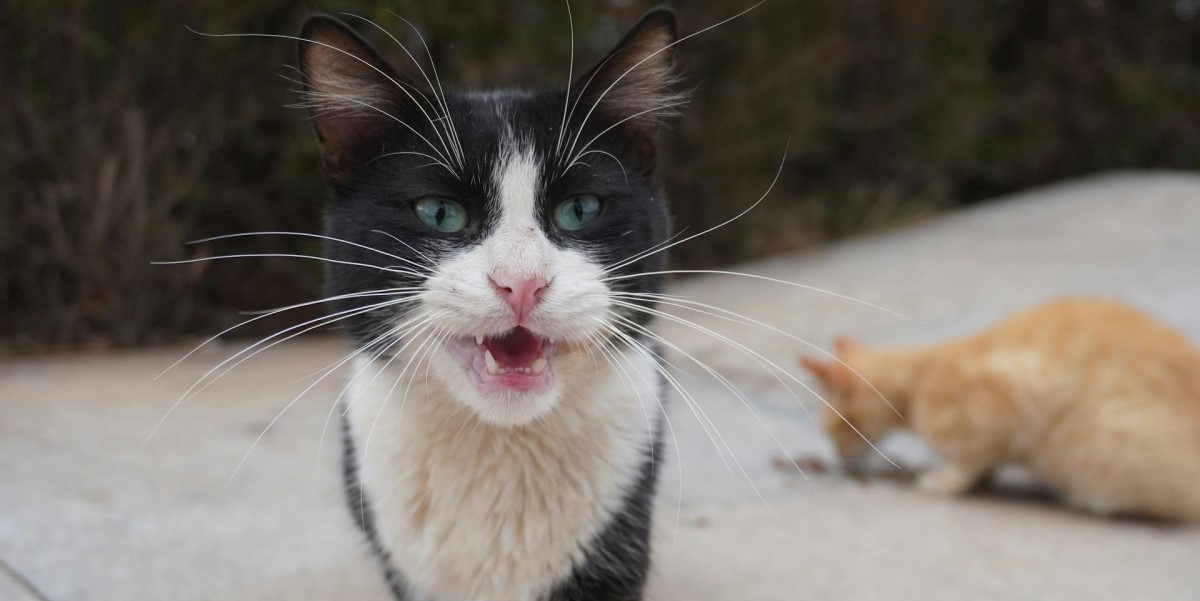
Rabies is a vaccine-preventable viral infection spread mostly by contact with the saliva of an infected wild or domestic animal. Transmission occurs mostly through bites, scratches or saliva coming in to contact with broken skin or mucous membranes (eyes, mouth, nose).
Bats can carry rabies, including in the United Kingdom (UK) [1].
In humans, rabies is almost always fatal, once symptoms appear [1, 2]. It is preventable by avoiding contact with animals and seeking prompt medical attention after any possible contact.
Rabies vaccine availability may occasionally be limited. During shortages, health professionals may need to:
- prioritise vaccination for people at highest risk, including:
- travellers to endemic areas for long stays
- young children
- individuals planning to have animal contact such as vets or animal handlers
- consider alternative licensed regimens
- delay vaccination briefly until stock returns – there is no need to restart courses (see interrupted vaccination schedules)
- consider advising the traveller to complete their course when abroad – the ISTM Global Travel Clinic Directory lists clinics worldwide if courses need to be completed abroad
As of February 2026, Bavarian Nordic: Rabipur® and Sanofi: Verorab® rabies vaccines are available in limited supplies [3].
In addition to the three-dose rabies vaccine schedule, the current licences for Verorab® and Rabipur® rabies vaccines allow a two-dose intramuscular injection course seven days apart.
With Verorab®, there is also an option for a two-dose intradermal schedule, given seven days apart (one injection in each arm for adults and children or each anterolateral thigh for infants and toddlers) [4]. Intradermal rabies vaccination relies on the whole 0.1 ml dose being given properly into the dermis (middle layer of skin) and should therefore only be given by health professionals experienced in intradermal techniques. The intradermal route should not be used for travellers taking chloroquine as malaria prophylaxis [1].
The UK Health Security Agency (UKHSA) Immunisation against infectious disease (the Green Book) Rabies chapter does not currently reflect this new licensing information [1]. The World Health Organization (WHO) recognises that pre-exposure rabies vaccine can be given by the intradermal or intramuscular route [5].
A two-dose schedule is considered as partially immunised in the UK [6]. However, WHO and the US Centers for Disease Control and Prevention both recommend a two-dose pre-exposure rabies vaccine course [5,7].
Travellers at occupational risk of rabies who cannot complete their vaccine schedule before departure, should be advised to contact their Occupational Health department /employer for additional mitigation measures that might be needed.
All travellers at risk should receive animal bite avoidance advice and clear instructions on what to do if they are bitten, scratched or licked, regardless of vaccination status.
A practical guide to undertaking a risk assessment of potential rabies exposures and the correct use of post-exposure treatment (PET) is available from the UKHSA [6].
Resources
- Outbreak Surveillance
- Rabies factsheet
- Verorab rabies vaccine: Summary of Product Characteristics
- Rabipur® rabies vaccine; Summary of Product Characteristics
- UKHSA: Rabies post exposure treatment: management guidelines
- Rabies information leaflet for travellers
- UKHSA: How to avoid rabies and what to do if you're exposed while travelling
References
-
UKHSA. Immunisation against infectious disease. Ch 27 Rabies. Last updated 26 May 2023. [Accessed 10 April 2026]
-
World Health Organization. Rabies Fact sheet. 5 June 2024. [Accessed 10 April 2026]
-
UK Health Security Agency. Vaccine update: issue 369, February 2026. 11 March 2026. [Accessed 10 April 2026]
-
Sanofi. Verorab®, powder and solvent for suspension for injection. Last updated on emc: 4 February 2026. [Accessed 10 April 2026]
-
World Health Organization. Rabies vaccines and immunoglobulins: WHO position. 3 June 2018. [Accessed (10 April 2026]
-
UKHSA. Rabies; guidelines on managing post-exposure treatment. Last updated 30 June 2025. [Accessed 10 April 2026]
-
US Centers for Disease Control and Prevention. Rabies Pre-exposure Prophylaxis Guidance. 16 July 2025. [Accessed 10 April 2026]
Explore more
Changes to NaTHNaC telephone contact numbers
Our Advice Line and General Enquiries telephone number change has been deferred to Autumn 2026
Updated: 12 August 2026Yellow fever update
Yellow fever cases continue to be reported in Africa and South America
Updated: 05 August 2026UKHSA publishes data on selected travel-associated infections
Case numbers of selected travel-associated infections reported in England, Wales and Northern Ireland: January to June 2026
Updated: 31 July 2026Updated TravelHealthPro infographics
We have reviewed our travel-specific infographics to ensure they provide clear, up-to-date guidance
Updated: 03 August 2026Marburg disease in Uganda
The World Health Organization has reported a confirmed case of Marburg disease in Uganda
Updated: 31 July 2026Help us to adapt a Travel Health Resource for UK Travellers

Take part in a study that aims to help UK travellers make informed choices about Japanese encephalitis (JE) vaccination.
Find out moreGet TravelHealthPro on your site

Integrate features of TravelHealthPro into your own website with our API and widget