

Falsified rabies vaccine: Philippines
Falsified rabies vaccine is circulating through unauthorised sources in Philippines
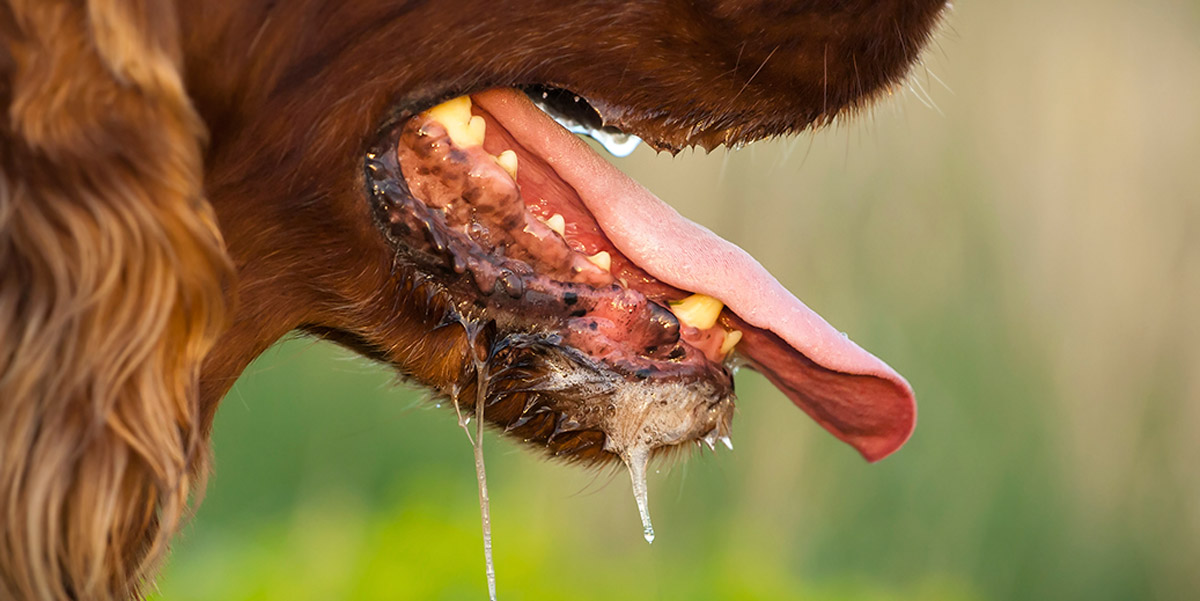
In March 2026 the Food and Drug Administration in the Philippines issued advisory notices regarding batches of falsified rabies vaccine (Vaxirab-N and Speeda vaccines) in circulation [1]. The use of falsified products poses a significant threat to public health due to the possibility of lack of efficacy, harmful components and the risk of treatment failure in preventing rabies, a fatal disease.
The public health agencies in the four nations of the UK are conducting a look-back exercise to identify any travellers who reported receiving rabies vaccine following an animal bite in the Philippines from March 2025 onwards, to determine whether further rabies vaccination may be recommended.
Rabies is a rare but extremely serious viral infection which is almost always fatal once symptoms appear, but vaccination and early treatment can prevent it. It can be difficult to determine whether an animal is infected with rabies or not, so cleaning the wound and seeking prompt medical advice after a possible rabies exposure is important.
Advice for travellers
- Avoid contact with all animals.
- Following a possible exposure (bite, scratch or lick to broken skin or mucous membranes, e.g. nose, mouth, eyes), clean any wounds thoroughly with soap and water, apply a suitable disinfectant such as 70 percent alcohol or tincture/aqueous solution of povidone-iodine if available and seek an urgent local medical assessment, even if the wound appears trivial. If animal/bat saliva gets into eyes, nose or mouth, wash face thoroughly with clean water as soon as possible and seek an urgent local medical assessment.
- Post-exposure treatment and advice should be in accordance with national guidelines.
- Travellers should discuss any concerns about the legitimacy of a vaccine with a healthcare provider and should keep a written record of any vaccines they are given abroad. Consider taking a photo of the vaccine product.
- Travellers still in the Philippines who think they may have received this falsified vaccine in the Philippines between March 2025 to the present day should seek advice from the centre where they were vaccinated regarding the product they received, and any additional treatment advised.
- A detailed review is being carried out for travellers who have returned to the UK but received part of their rabies post-exposure vaccine course in the Philippines.
- In England, Wales and Northern Ireland, the traveller's GP will be informed by public health agencies if additional vaccination is recommended.
- If travellers have confirmation that they received a different brand of rabies vaccine in the Philippines, then they can be reassured that they will not require additional vaccine.
- Travellers who received a complete course of rabies vaccine for post-exposure management of an animal bite or scratch in the Philippines during this period and did not seek any further medical advice upon return to the UK should contact their GP or travel clinic for advice on whether more vaccine is recommended. In Scotland, travellers should call NHS 24 on 111 or their local GP.
- Travellers who received pre-exposure rabies vaccine in the Philippines during this period should contact their GP or travel clinic for advice on whether more vaccine is required.
Advice for health professionals
Health care professionals with concerns about a patient who may have received falsified rabies vaccine in the Philippines can call the UK Health Security Agency Rabies and Immunoglobulin Service (RIgS) for further advice.
For Scotland, healthcare professionals should access their local post exposure assessment and treatment pathway or contact their local Health Protection Team.
For Wales, healthcare professionals should contact the Public Health Wales Health Protection AWARe service.
Resources
-
Added contact details for Health professionals in Wales.
-
Alternative contact for travellers in Scotland added.
Explore more
NaTHNaC temporary closure for staff training
Advice Line and Administration Office closed on 19 August 2026
Updated: 17 August 2026Changes to NaTHNaC telephone contact numbers
Our Advice Line and General Enquiries telephone number change has been deferred to Autumn 2026
Updated: 12 August 2026Updated tick-borne encephalitis (TBE) ‘green book’ chapter published
The TBE chapter of the 'green book' (Immunisation against infectious disease) has been updated
Updated: 06 August 2026Updated guidelines for malaria prevention in travellers from the UK
UK Health Security Agency have published updated malaria guidelines for 2026
Updated: 03 August 2026
Help us to adapt a Travel Health Resource for UK Travellers

Take part in a study that aims to help UK travellers make informed choices about Japanese encephalitis (JE) vaccination.
Find out moreGet TravelHealthPro on your site

Integrate features of TravelHealthPro into your own website with our API and widget