

Travel during Ramadan
Traveling abroad during Ramadan is a rewarding experience, but can also present challenges; here are some tips for careful preparation to ensure a safe and healthy trip
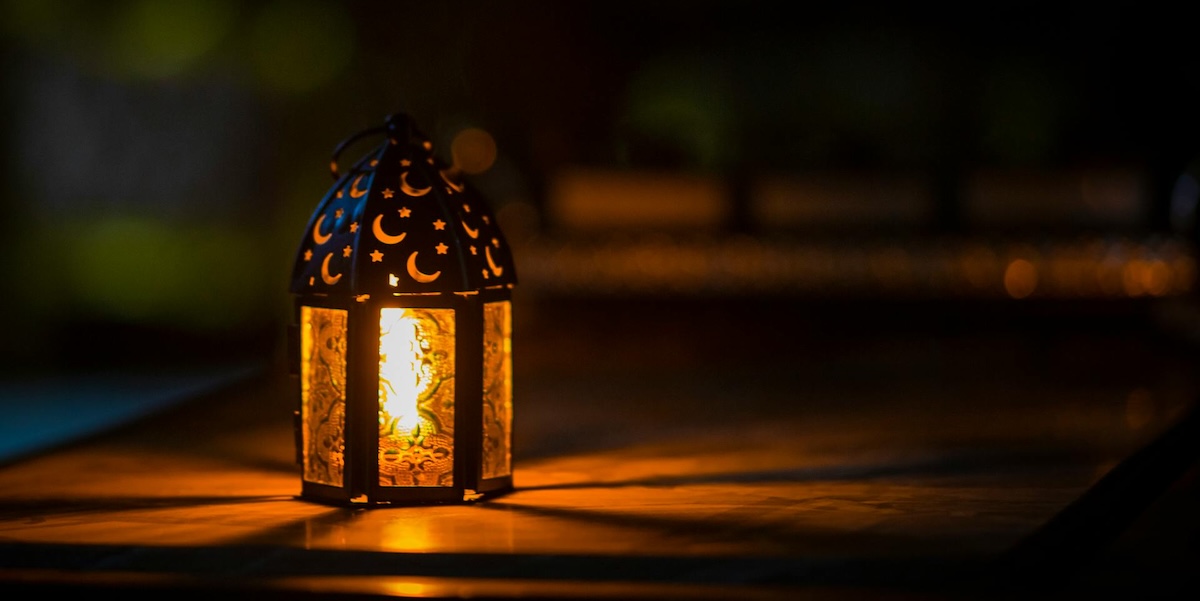
Ramadan is a holy month for Muslims and many people will travel to visit friends and family abroad during this time. Pilgrims often also travel to Mecca and Medina in Saudi Arabia during Ramadan to perform Umrah.
For 2026, the approximate dates of this holy month will be from the evening of Tuesday 17 February 2026 to Wednesday 18 March 2026.
Advice for travellers
Before you travel
Check TravelHealthPro Country Information pages for information about vaccine recommendations, malaria risk and advice on influenza (flu), MERS-CoV, insect-spread infections, air quality and personal safety.
If you need to consult your healthcare provider, do this as soon as possible. Even if time is short, last-minute advice is still helpful; if needed, vaccines and malaria tablets can be given just before travel.
If you have any medical conditions, discuss your travel plans with your doctor or hospital specialist. Make sure you are well prepared for carrying medication abroad if you take regular prescribed medicines.
Get appropriate foreign travel health insurance, with cover for the whole trip, all pre-existing conditions and any planned activities.
Check the Foreign Commonwealth and Development Office (FCDO) for advice about safety, security and any travel restrictions.
While you are away
Be mindful of those who are fasting, and of the rules of Ramadan, for example by avoiding eating, drinking, chewing gum or smoking in public during the daytime; check local customs at your destination.
Travelling while fasting for Ramadan
- If you are intending to fast, it may be best to plan your trip so you arrive at your destination before Ramadan begins.
- Eat well-balanced meals at Suhoor (pre-dawn meal) and Iftar (sunset meal).
- Make sure you drink plenty of water when not fasting.
Reduce your risk of injury and illness by:
- taking sensible personal safety precautions around water and while driving, using public transport or taxis
- washing your hands frequently and follow food and water hygiene advice
- avoiding insect bites
- using appropriate sun protection for your trip
When you return
Get urgent medical attention if you are unwell when you get home and remember to tell your doctor you have been abroad. This is especially important if you visited countries where malaria occurs.
If malaria tablets were recommended for your trip, remember to complete the full course as recommended. If you develop any symptoms such as a high fever, flu like symptoms and severe headache, you must get urgent medical attention, tell your doctor/health professional that you visited a malaria risk area and obtain a same-day blood test.
If you develop cold, flu or other respiratory symptoms when you get home, follow current guidance.
Advice for health professionals
Health professionals advising those planning to travel internationally during Ramadan can check our Country Information pages for vaccine recommendations and specific risk advice.
Explore more
Shigella and Salmonella cases reported in travellers returning from Cape Verde
A food and water hygiene reminder
Updated: 07 July 2026Worldwide dengue risk reminder
Dengue is a mosquito-spread virus found in tropical and subtropical world regions, including parts of mainland Europe
Updated: 09 July 2026Mefloquine shortage
Shortage of 250mg mefloquine (Lariam) antimalarial tablets in the United Kingdom (UK) continues
Updated: 11 June 2026Ebola disease in DRC and Uganda
The World Health Organization has confirmed an outbreak of Ebola disease in the Democratic Republic of the Congo with imported cases in Uganda and dec
Updated: 06 July 2026
Get TravelHealthPro on your site

Integrate features of TravelHealthPro into your own website with our API and widget
Rabies risk survey
|
Are you a traveller or healthcare professional advising travellers? We'd love to hear about your knowledge, attitudes, and practices regarding rabies risk. |
 |